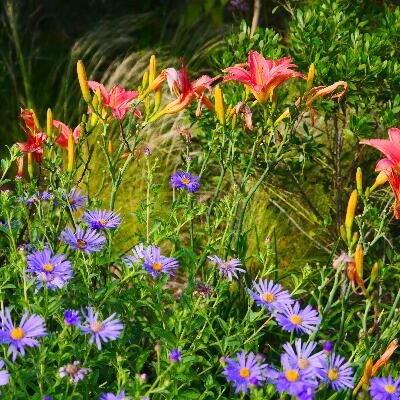
Edible gardens – design meets cuisine
Edible gardens add a culinary dimension to garden design. They combine design, ecology, and enjoyment in a garden that not only looks beautiful but also tastes and smells wonderful. Edible gardens are not a fad, but rather a further development of the concept of gardening.

1. An expanded concept of the garden
Traditionally, gardens were divided into functional areas: the ornamental garden was intended to represent and beautify, the vegetable garden to enable self-sufficiency, the herb garden to provide seasoning and medicinal plants, and biotopes to promote ecological diversity. This division is historically understandable, but it separates areas that complement each other perfectly - and are intertwined in nature anyway. The edible garden breaks down this separation and sees gardens as multifunctional spaces where design, use, and ecology come together.
A good example of this multifunctionality are topiary hedges. In classic garden architecture, they are primarily used to divide spaces, guide paths, or provide privacy. In the edible garden, however, they can do much more: their geometric shape allows for precise design, while at the same time species with culinary and aromatic properties can be selected. This results in hedges that not only define spaces, but can also be used as tea, vegetable, or fruit trees (see chapter 2). The idea that topiary or privacy hedges must consist exclusively of non-edible shrubs has developed culturally, but is botanically unnecessary.
This is exemplified in Asian green tea cultivation, where shaping, pruning, and harvesting techniques have been merging into a horticultural and culinary culture for centuries. Edible gardens take up such examples and transfer them into local gardening concepts, in which plants no longer fulfill a single task but meaningfully combine several functions.
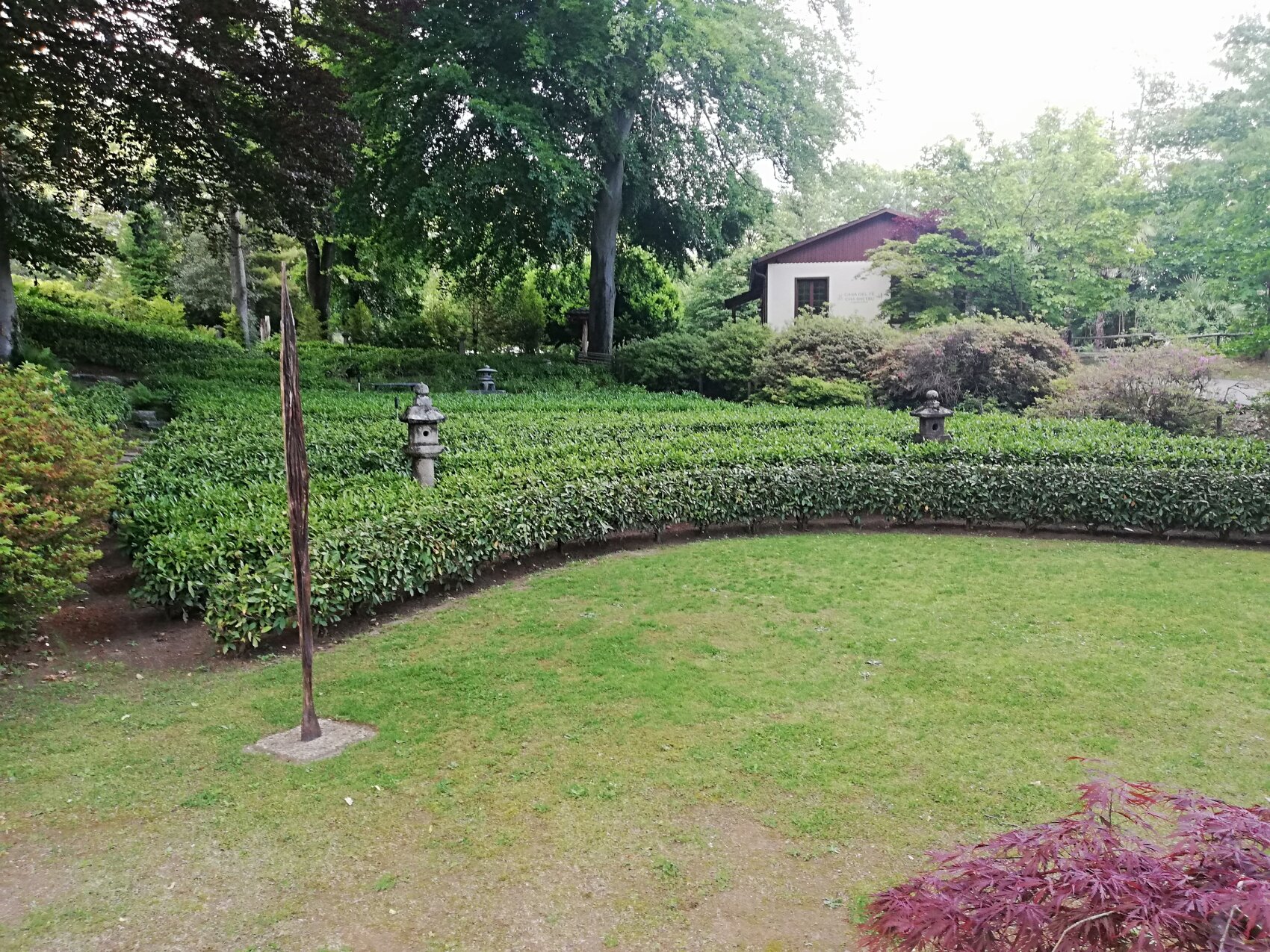
Small quantities of green tea from the Camellia (Camellia sinensis) are cultivated on Monte Verità in Ticino. This shows that formal hedges can do much more than just structure and protect: they also provide a high-quality crop.
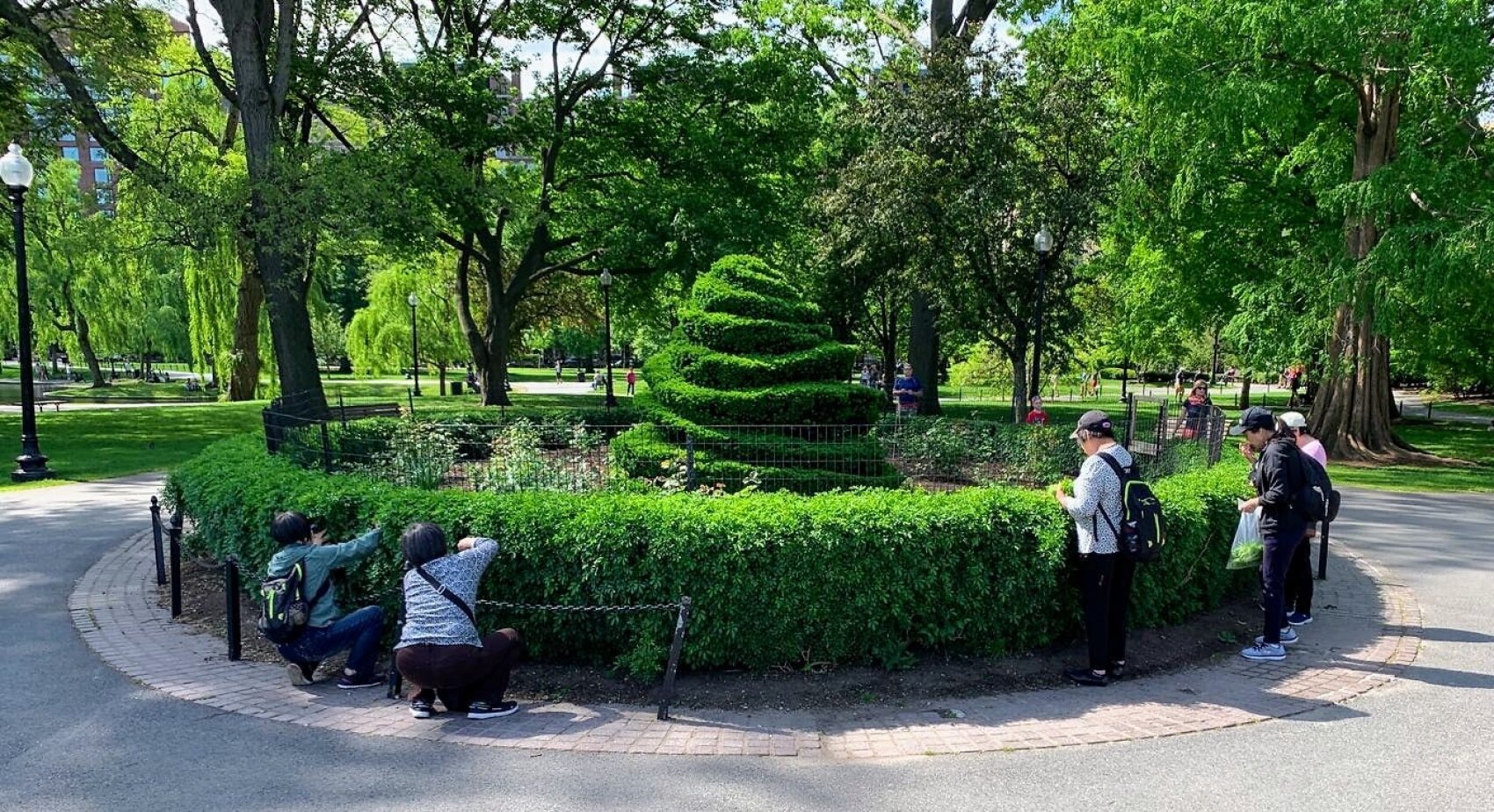
This photo (© Kyle Dougherty) shows in a very amusing way how people from Asia harvest a hedge in America, knowing that they are harvesting a very tasty and popular vegetable from their home country. The plant in question is called Siebold's finger aralia (Eleutherococcus sieboldianus), which is often prepared with miso in Asia.
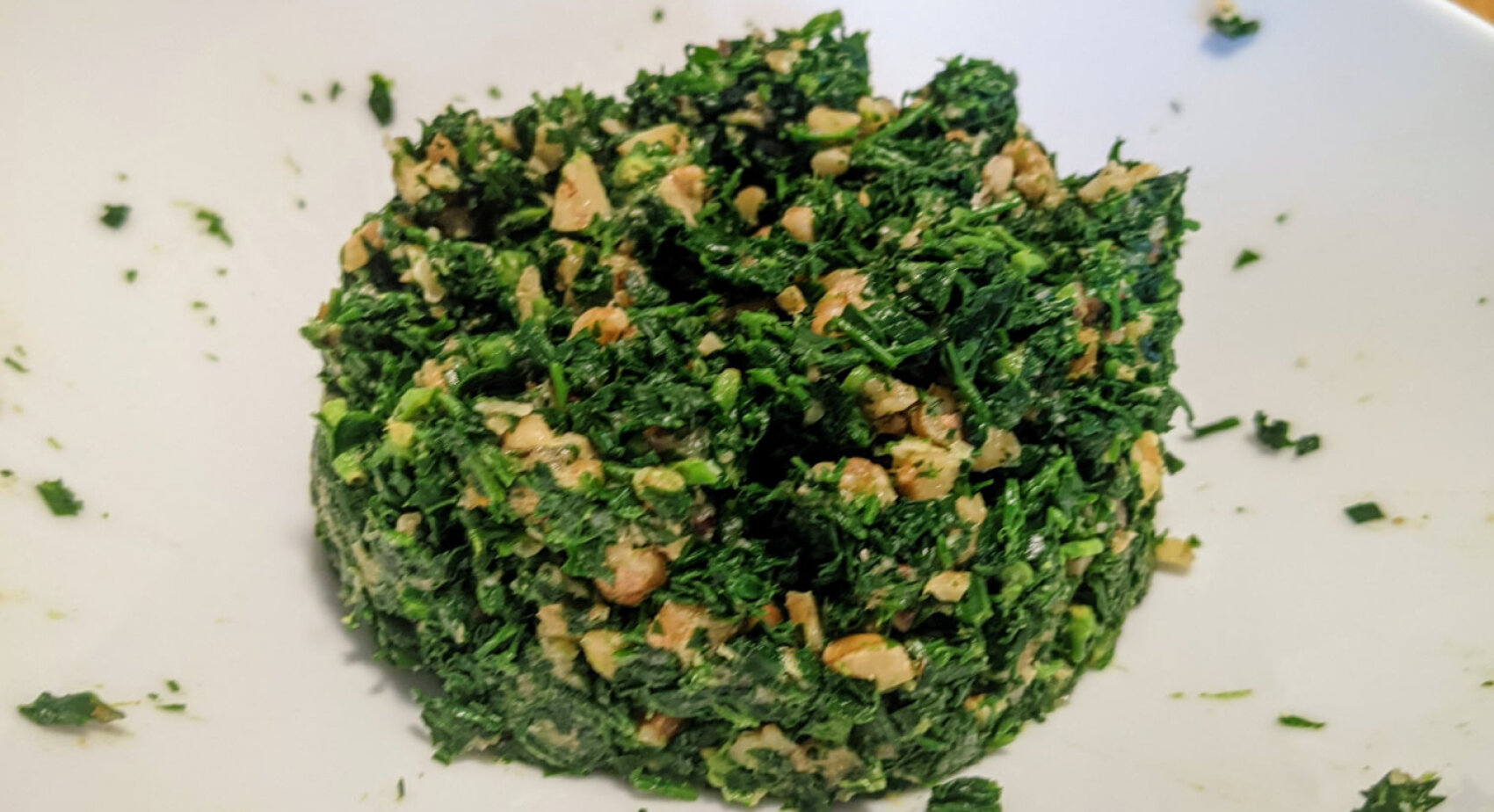
In this photo (© Kyle Dougherty), the leaves of Siebold's finger aralia were cooked with miso and walnuts and prepared by Kyle Dougherty from the USA.
2. Aesthetics and cuisine as one – knowledge between the garden and the kitchen
The term “ornamental plant” reduces plants to their visual properties. However, many species that we perceive exclusively as ornamental accents have surprising culinary potential. Plants such as lemon quince or magnolia not only enrich the eye, but also the kitchen – whether as an aromatic component in a fruity compote or as a spicy flower with an unusual flavor profile. Edible gardens invite us not only to look at plants, but also to smell, touch, harvest, taste, and creatively process them.
In order for edible gardens to be created in a meaningful way, knowledge from various fields is required. It is not enough to know how plants grow and are cared for. It is equally important to know how to process, preserve, and refine them culinarily. This knowledge is often spread across several disciplines: among gardeners, botanists, chefs, and restaurateurs—and not least in the ethnobotanical traditions of other cultures. When these areas of knowledge come together, a new form of garden culture emerges.
In this context, it is important to emphasize that the development of such gardens also requires the cooperation of interested chefs who are able to refine food through skillful cooking, fermentation, and processing techniques, or in some cases make it edible in the first place. This blog can therefore also be understood as an invitation to restaurateurs and hotel operators. One of my personal wishes would be to design an edible hotel garden where guests can relax, order their food and drinks, and have them served shortly afterwards, freshly harvested from the garden. The seasonal menu would thus “grow” with the garden in the best sense of the word.
Examples of plants with such culinary, ornamental, and ecological multiple uses include the Lemon quince (Chaenomeles x californica Tamara), which can be used as a substitute for lemons in the garden, and various types of Magnolias (Magnolia spec.), whose petals can be used as a spice. Although neither species is native, they are nevertheless suitable as a food source for insects such as bees and bumblebees at this time of year. Such species open up a world of new flavors, aromas, and textures that have hardly been used in our gardens until now.
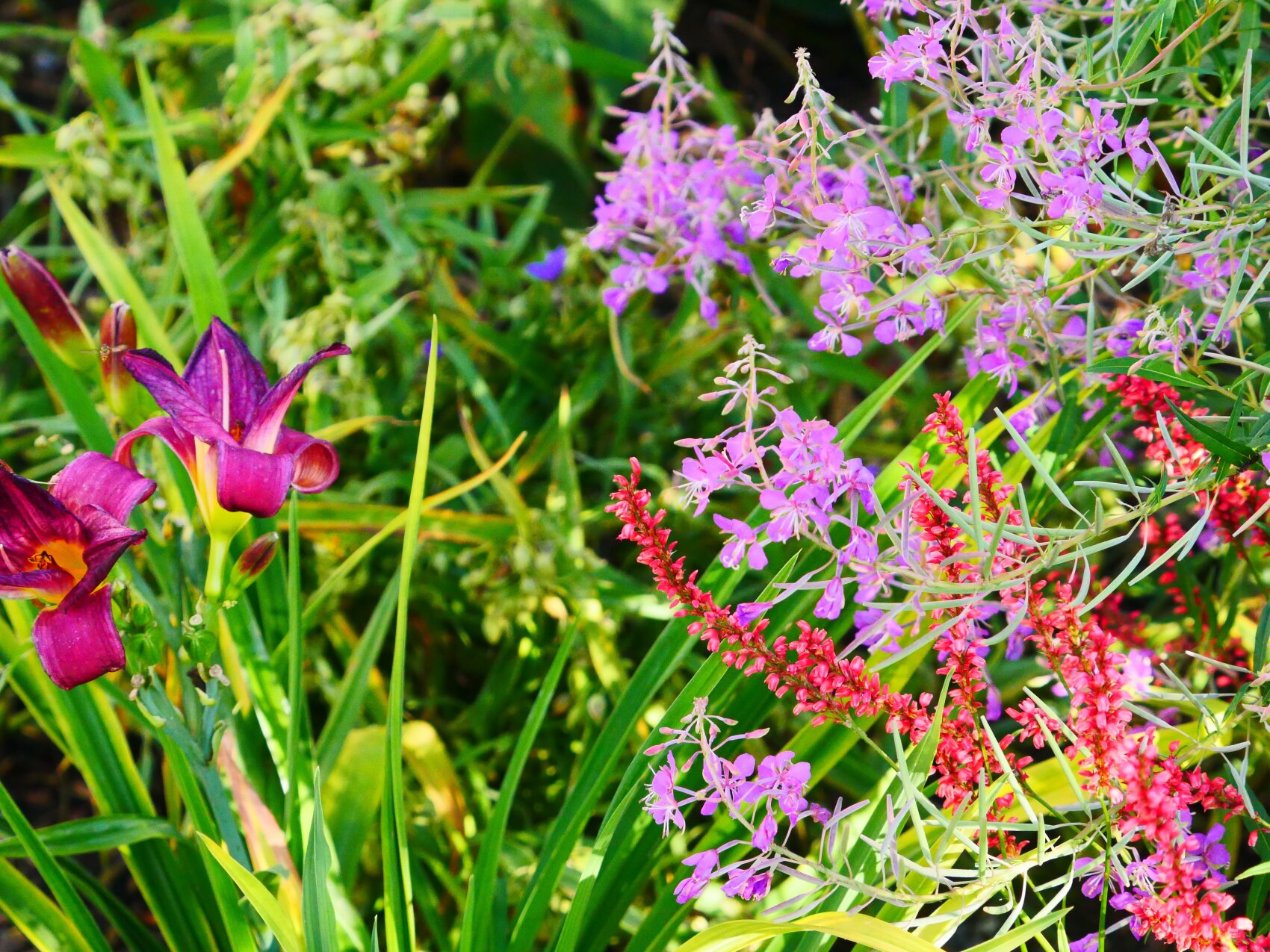
In addition to the edible Daylily (Hemerocallis spec.) and Knotweed (Persicaria amplexicaulis), the native narrow-leaved willowherb can also be steamed in spring to make a delicious vegetable. Furthermore, the leaves of the Willow herb (Chamaenerion angustifolium, syn. Epilobium) can be fermented throughout the growing season to make an aromatic Ivan chai (tea), which is relatively unknown in this country.
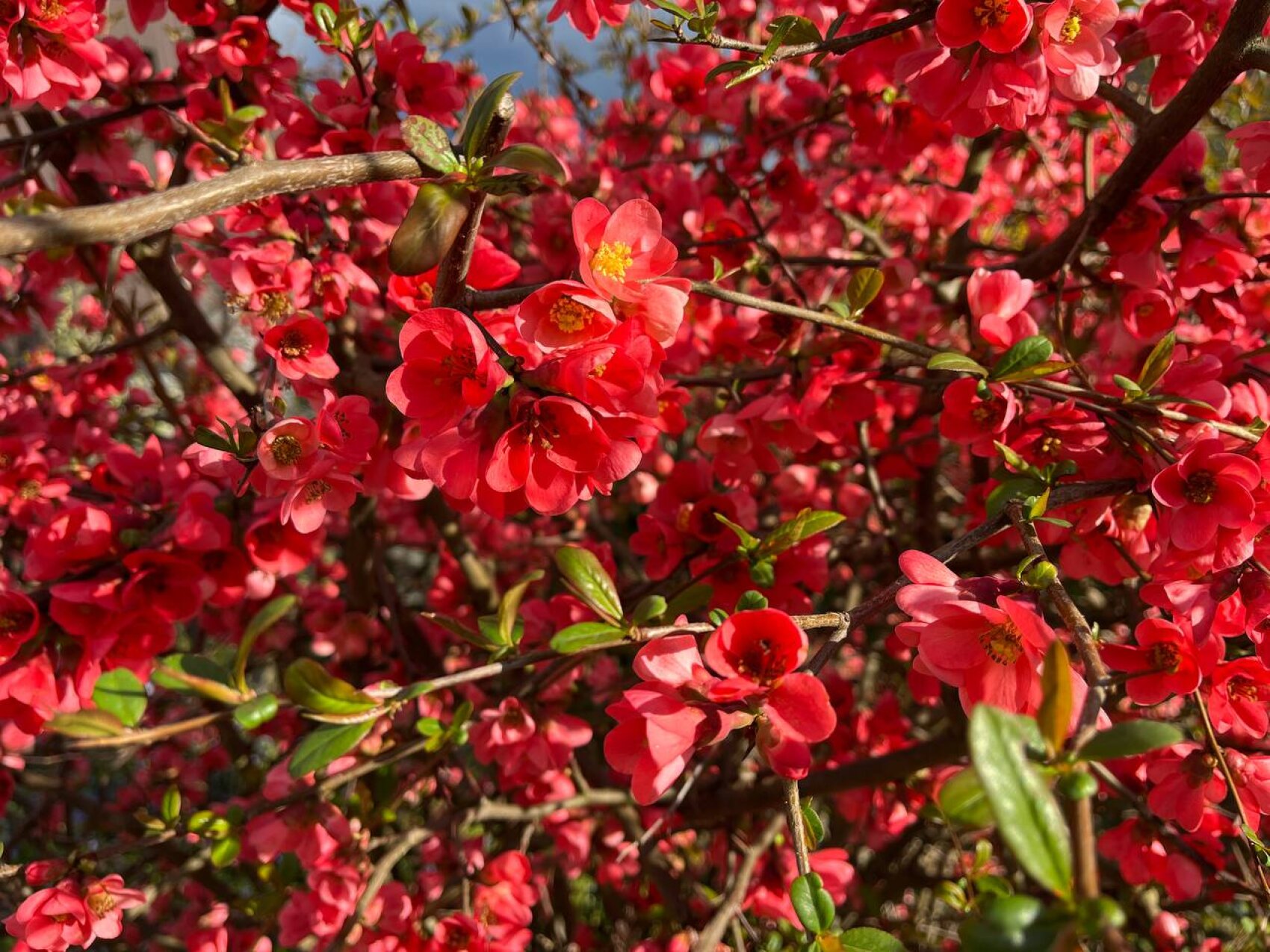
Lemon quince (Chaenomeles spec.) is one of the first and most striking flowering shrubs of the year, beginning to bloom in various colors as early as March. It is ideal for use as a shaped hedge in small gardens. The wide range of flower colors available means that a single species can be used to create an extremely attractive mixed-color hedge.
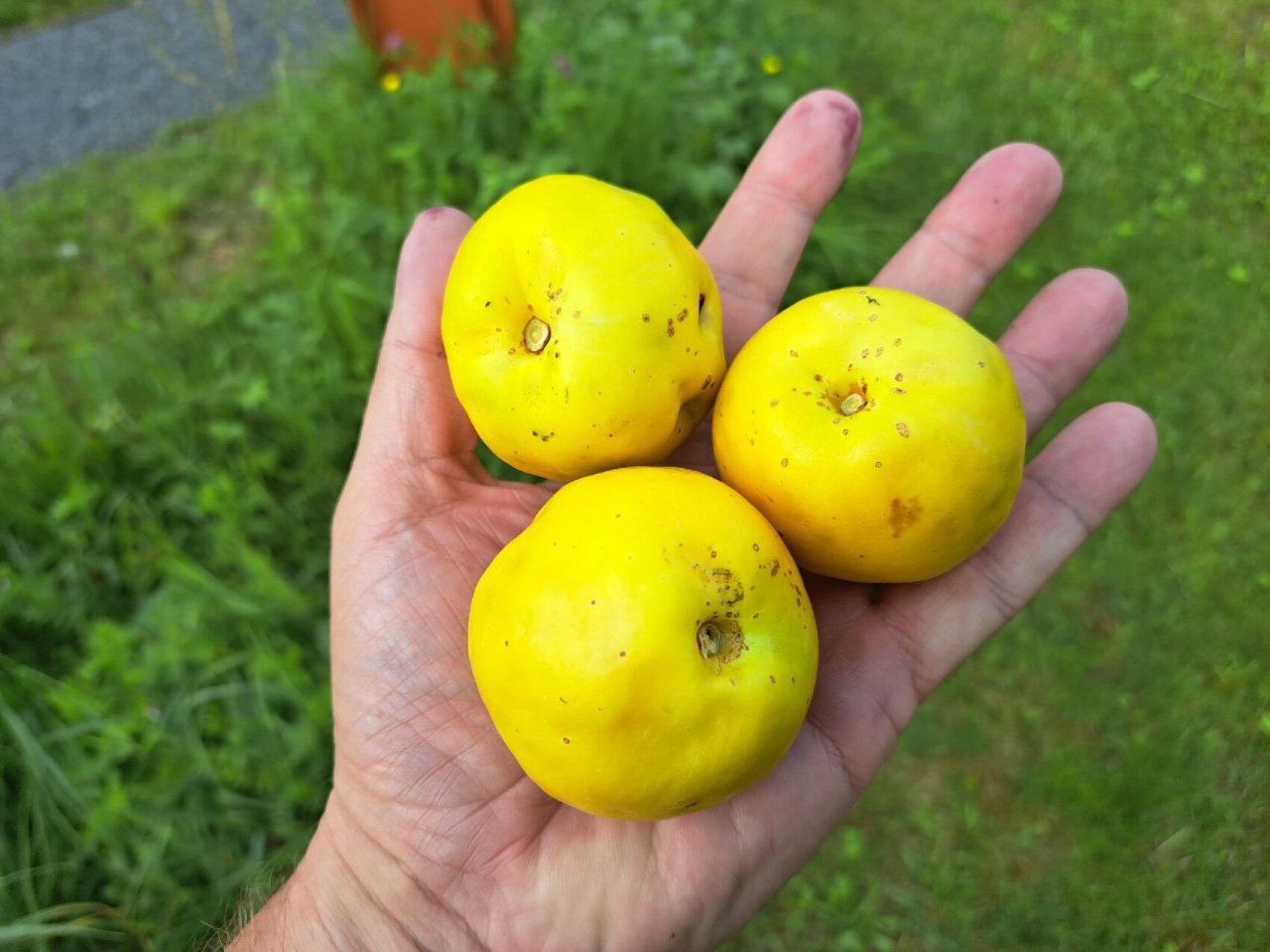
The Ukrainian fruit variety Chaenomeles x californica Tamara, which tastes like lemon, yields amazing harvests over time and can be used as a substitute for lemon in many dishes.
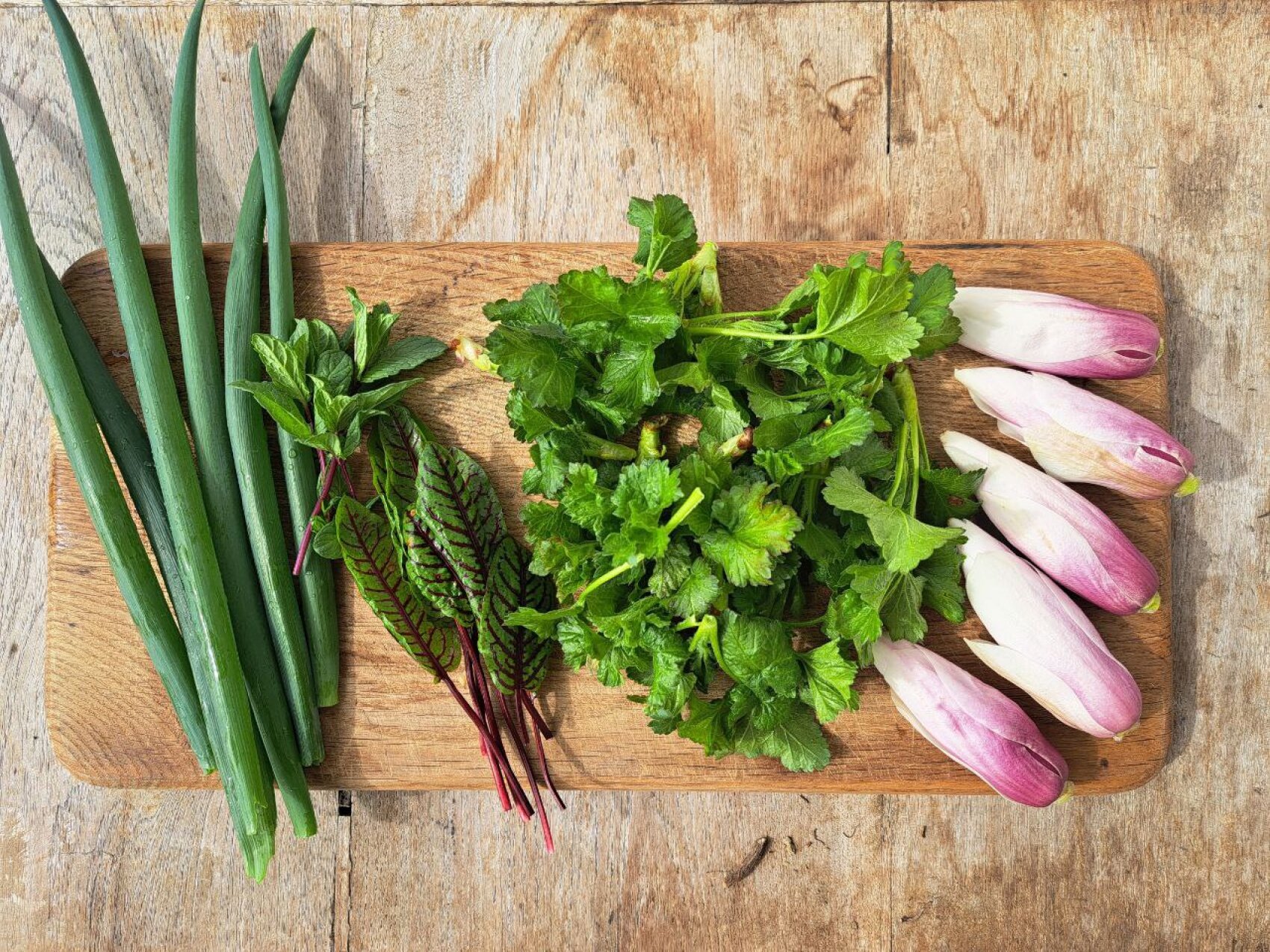
Welch onion (Allium fistulosum), Peppermint (Mentha spec.), Red-Veined Dock (Rumex sanguineus), young leaf shoots from Blackcurrant bushes (Ribes nigrum), and Magnolia blossoms are combined to create a tasty and healthy salad. This is especially welcome at a time of year when there aren't many fresh salads available outdoors. And here's a tip for farmers :-)!
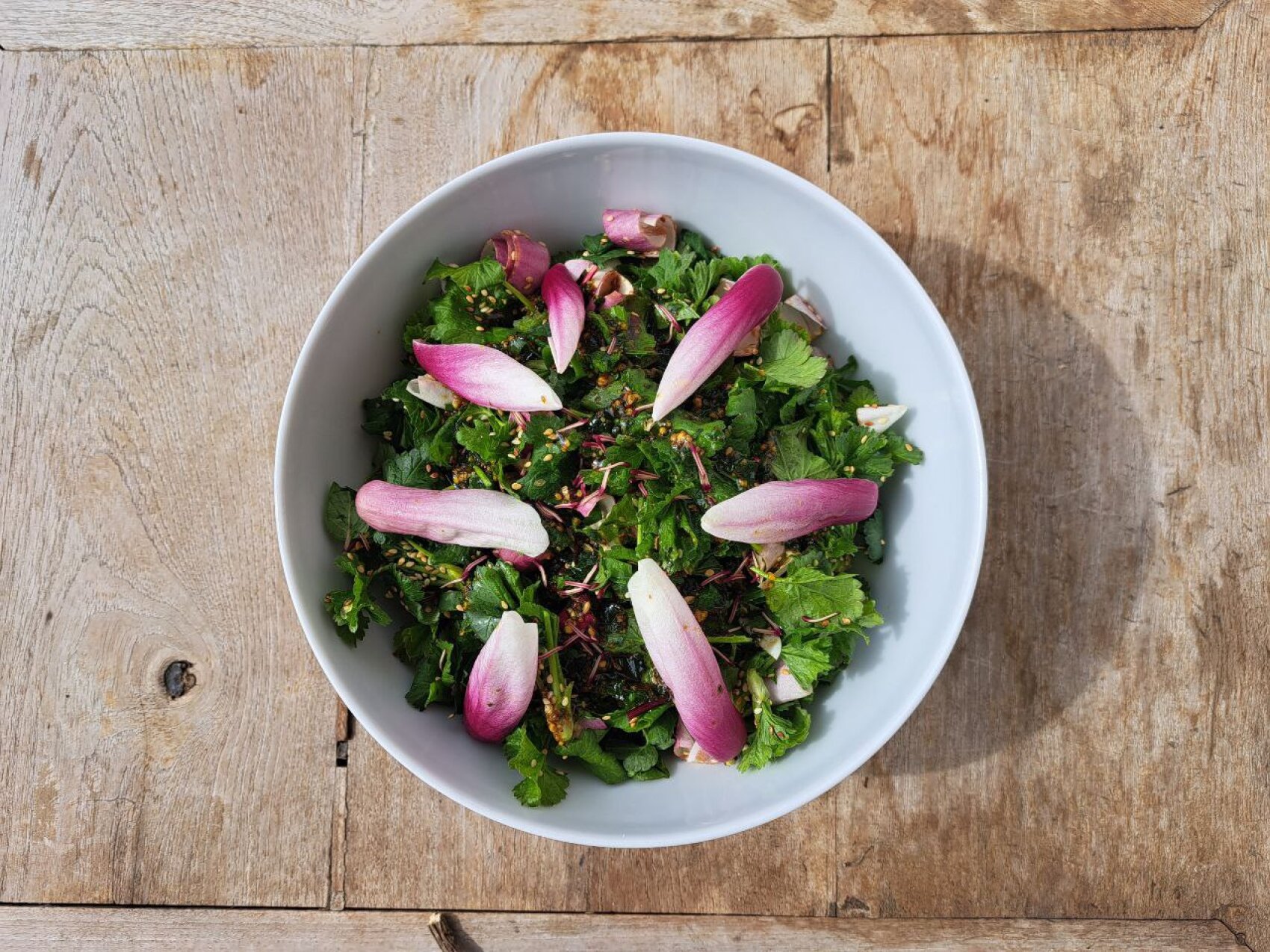
Depending on your taste, the proportion of flavorful magnolia blossoms can vary, of course. Further information is available in English at Eat The Weeds. And a German-language cookbook that comes highly recommended is Das Essgarten Kochbuch (The Edible Garden Cookbook) by Heike Deemter and Frederik Deemter.
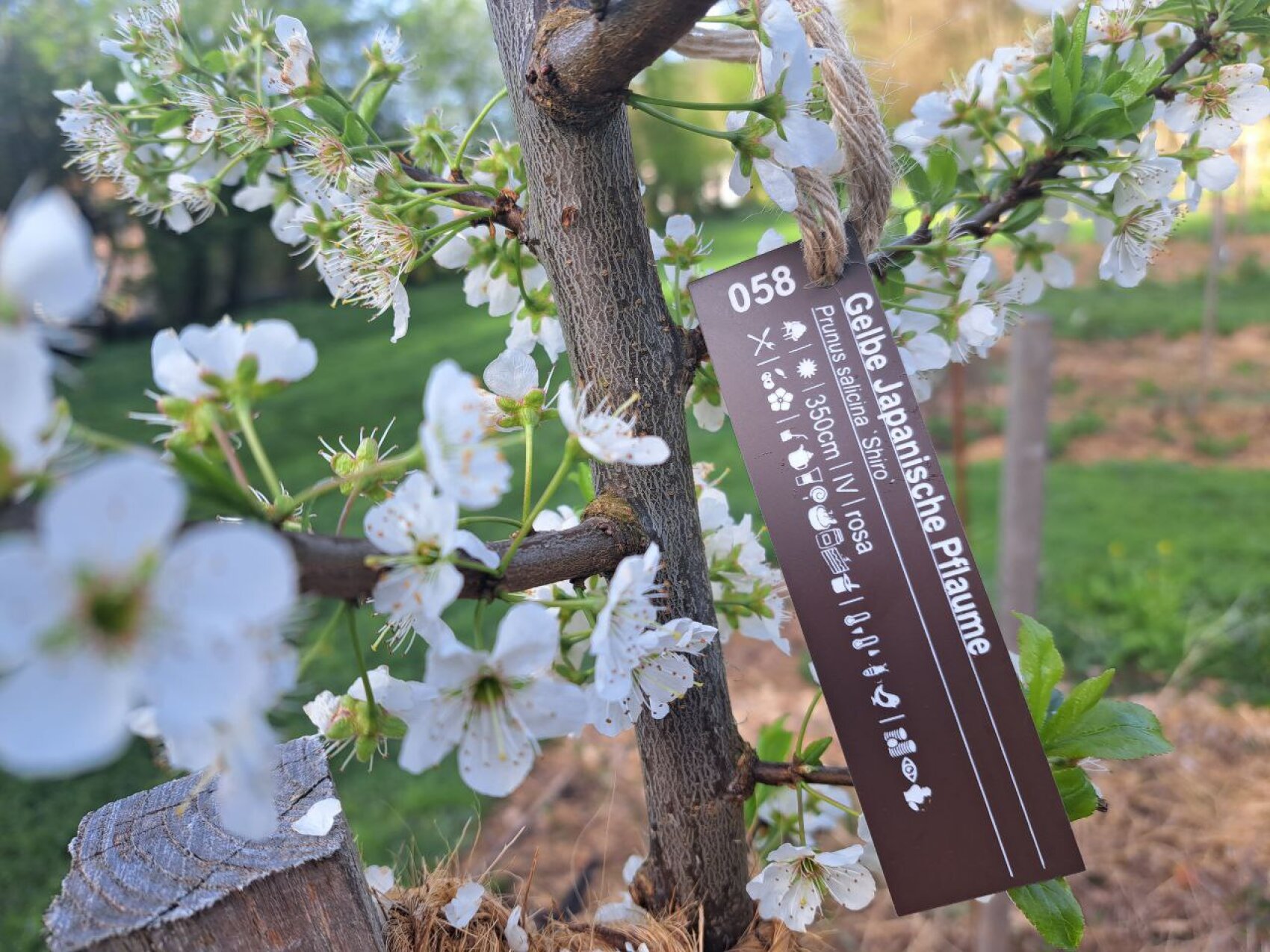
The labeling of plants can also be implemented to a limited extent in private gardens! Symbols can be used to indicate the characteristics, properties, and possible uses of a plant in a small space, as shown on this sign.
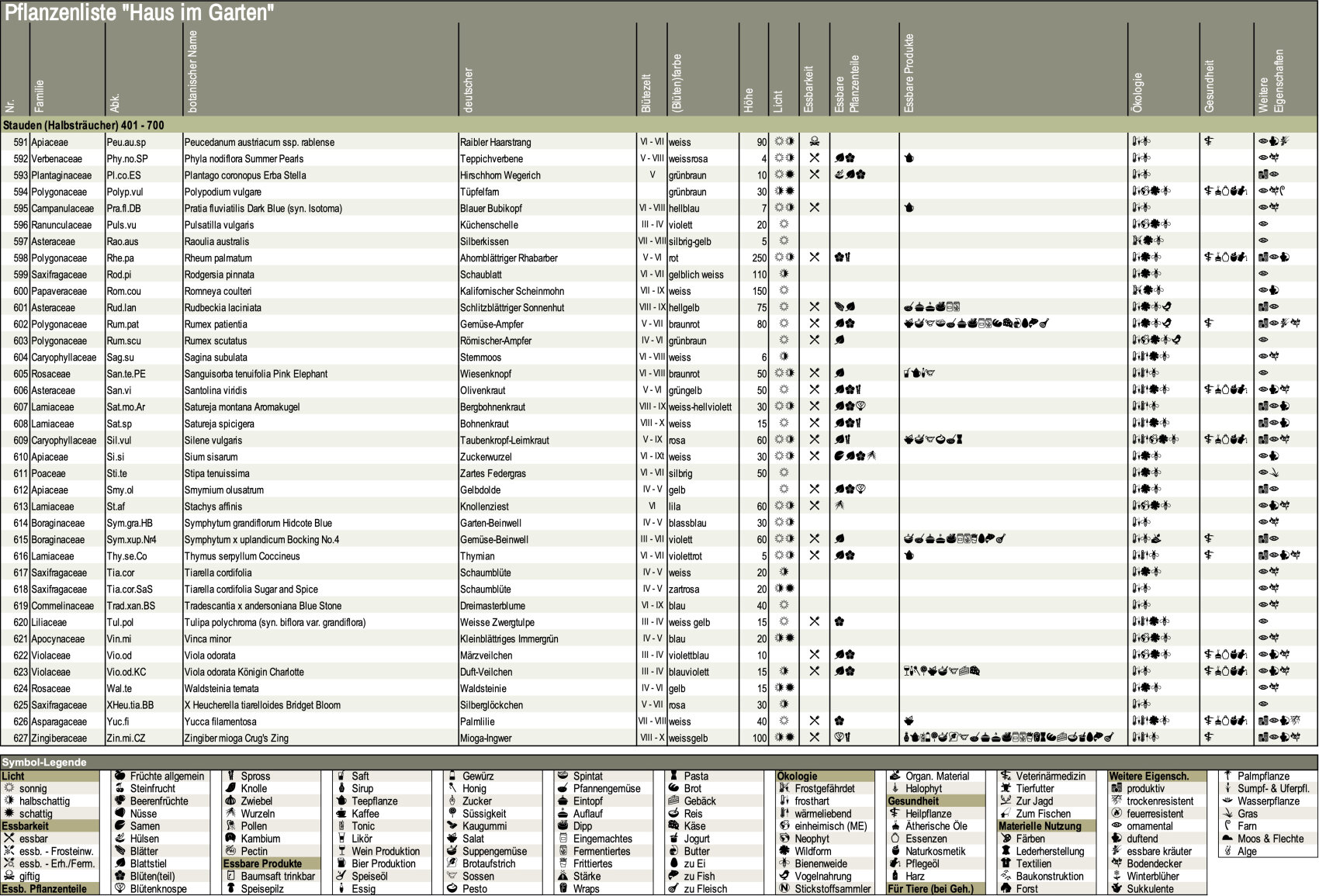
Upon request, all plants in the garden are documented and listed in detail in the dossiers for my clients. In addition to culinary information, these lists also contain information on design, location-related, and ecological factors.
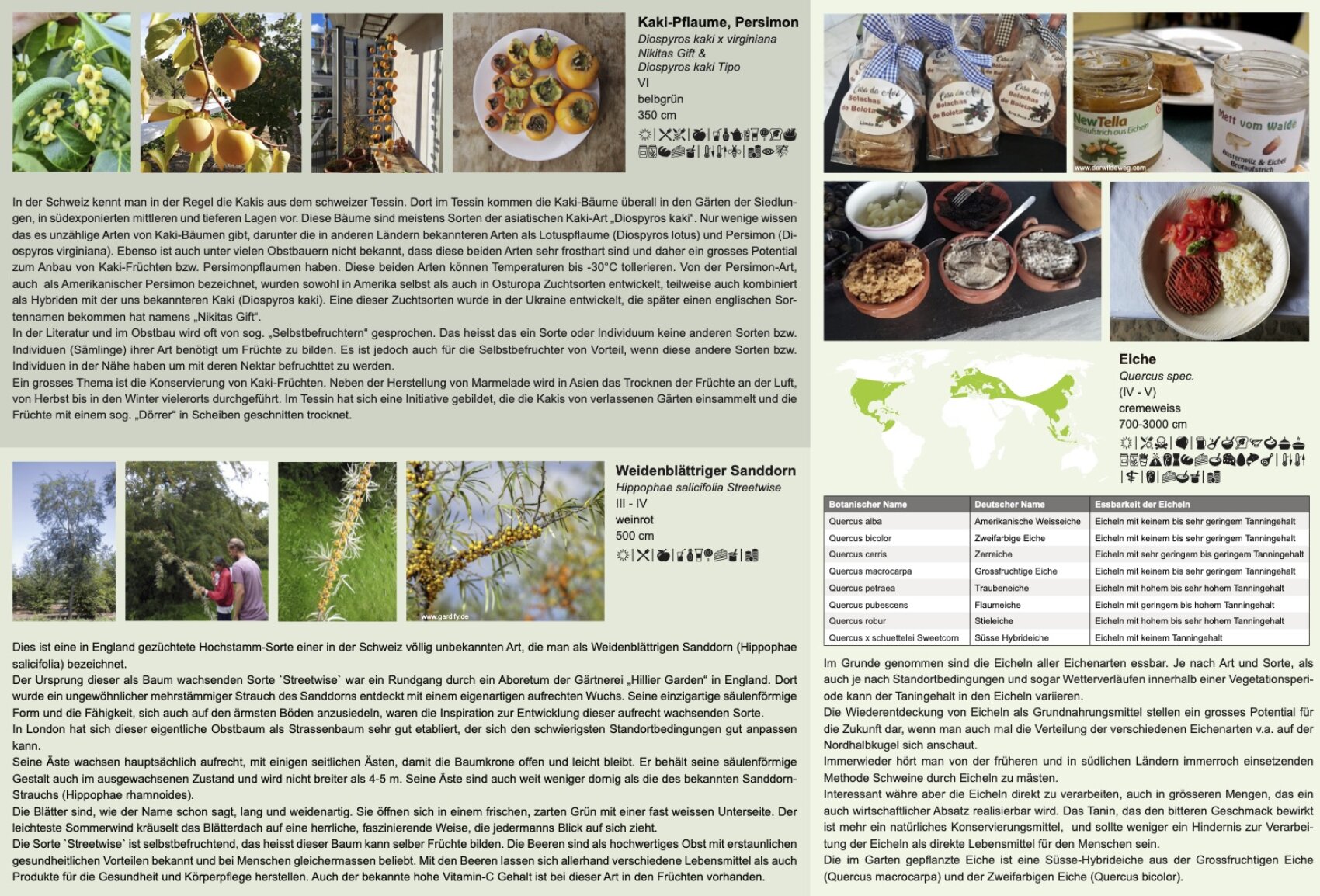
In addition, the dossiers contain more detailed information on a selection of plants that are worth learning more about in terms of their use and significance.
4. Native and non-native – an objective classification
In discussions about edible plants, the question of whether they should be “native” or not is often raised. The debate is emotionally charged, but historically and ecologically much more complex than it seems at first glance. When it comes to our diet, everyone should seriously ask themselves what in their daily food is actually native and what is not. It is not enough to simply look at what grows here or what we consider to be native. For example, the cultivated apple—like many other types of everyday food—is not part of the native species spectrum.
Many of the fruits and vegetables that we take for granted today only arrived here a few centuries ago. Due to its geographical limitations in conjunction with ice age processes, Europe also has significantly less species diversity within many plant genera than North America or East Asia. At the same time, numerous native species are extremely valuable – creatively, ecologically, and culinarily. Edible gardens combine the potential of native plants with non-invasive species from other areas.
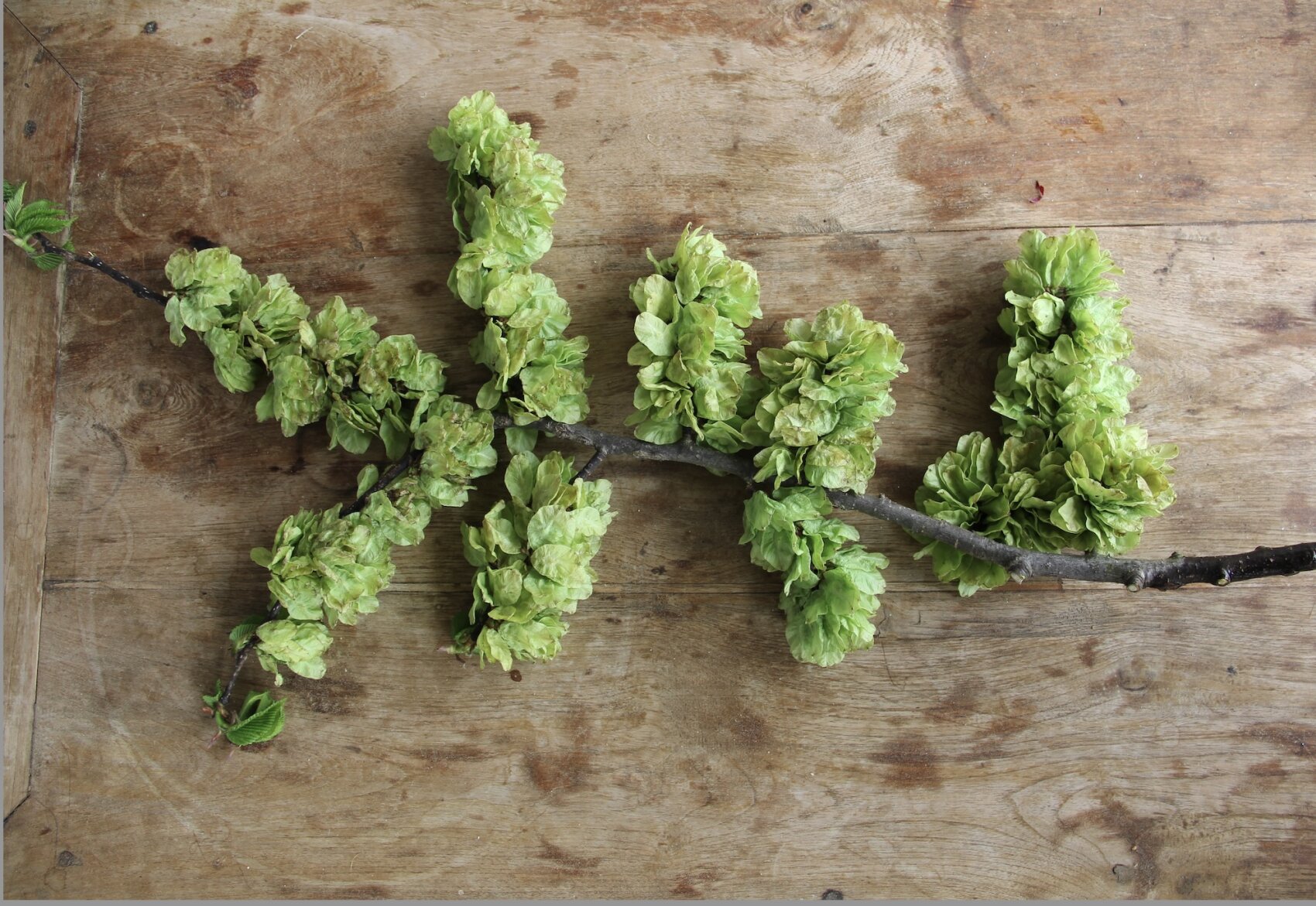
The so-called “winged nuts” of the Small-leaved elm (Ulmus minor) are a real surprise in terms of taste. As a native tree, the field elm should receive more attention in this area. As their name suggests, the young winged fruits have a slightly nutty flavor and can be enjoyed raw or lightly steamed at a time of year when there are no other fruits or nuts available.
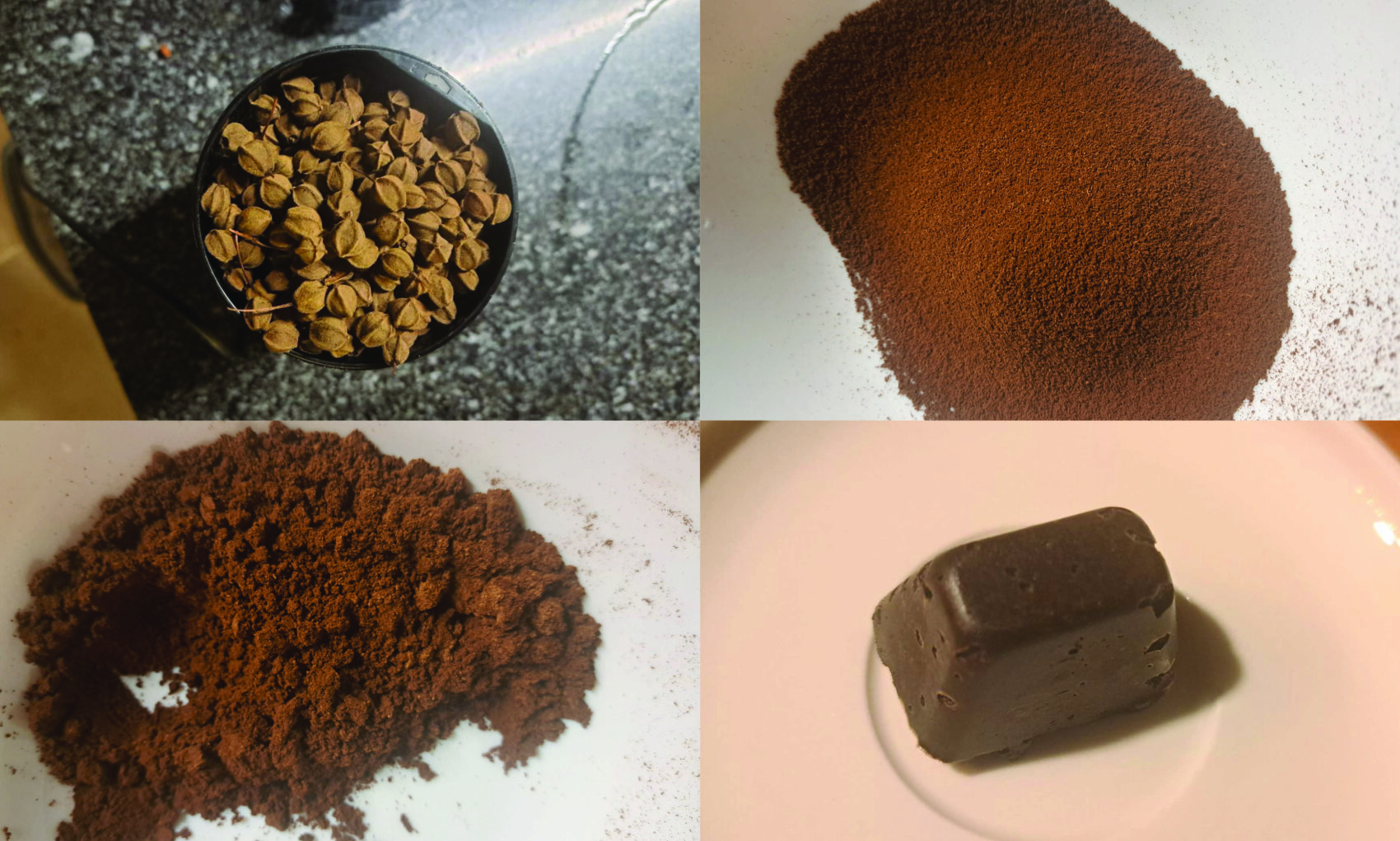
Word has spread that the young leaves of the Linden tree (Tilia spec.) can be used to make delicious salads. However, few people know that the ripe fruits of the linden tree can be used to make a kind of chocolate. The fruits are harvested in August and September, roasted in the oven at 180 °C for about 15 minutes, and then ground into a fine powder in a coffee grinder. Mixing this powder with honey or cane sugar and a little coconut oil creates a chocolate-like mixture with an amazing aroma reminiscent of good dark chocolate. The linden tree, like the cocoa plant in the tropics, belongs to the same family of mallow plants.
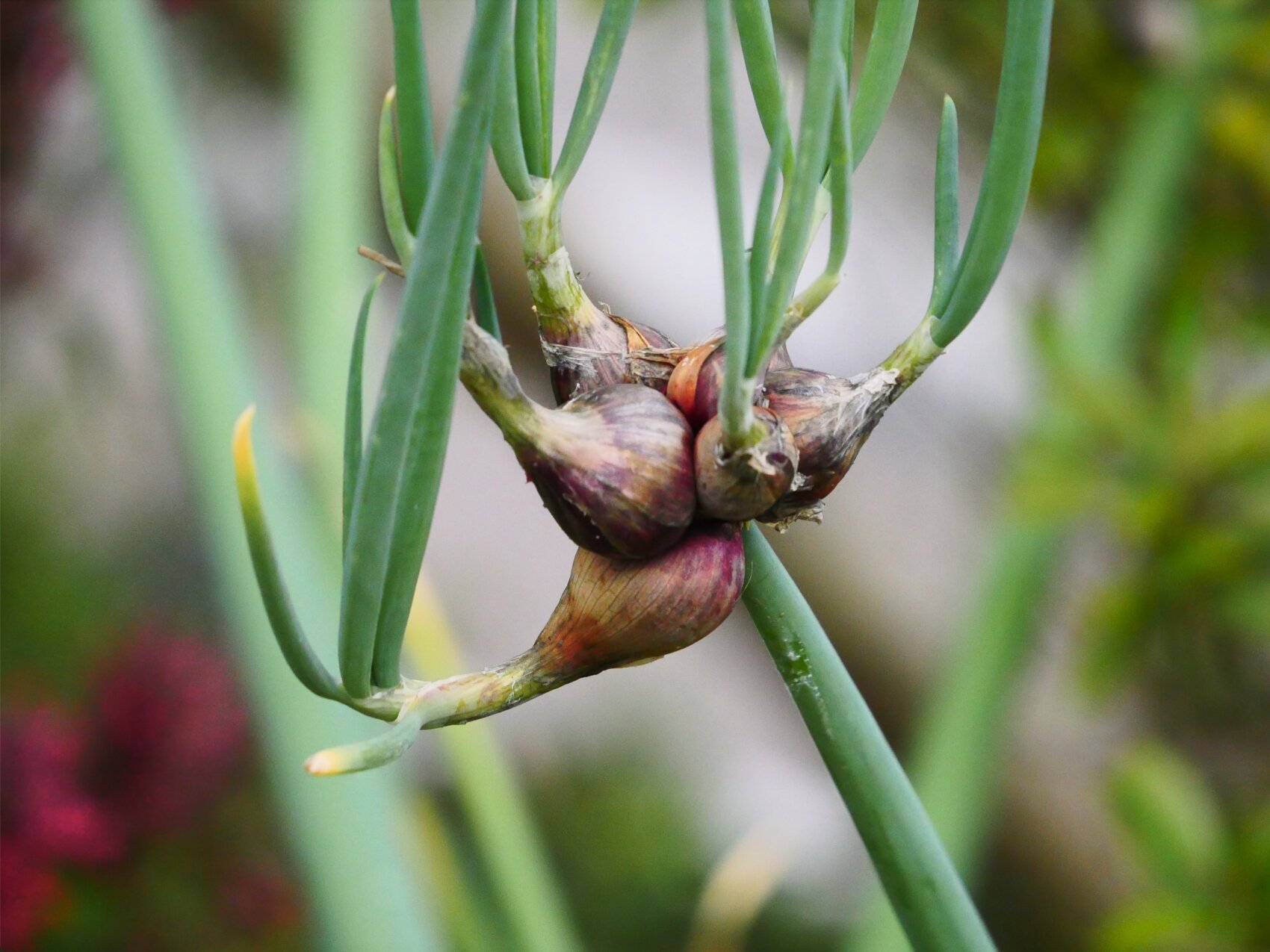
The Walking onion (Allium x proliferum), forms small bulbs at the top instead of flowers. In the right location, these can reach a productive size, meaning that this very frost-hardy plant can be harvested for small bulbs every year, or easily propagated.
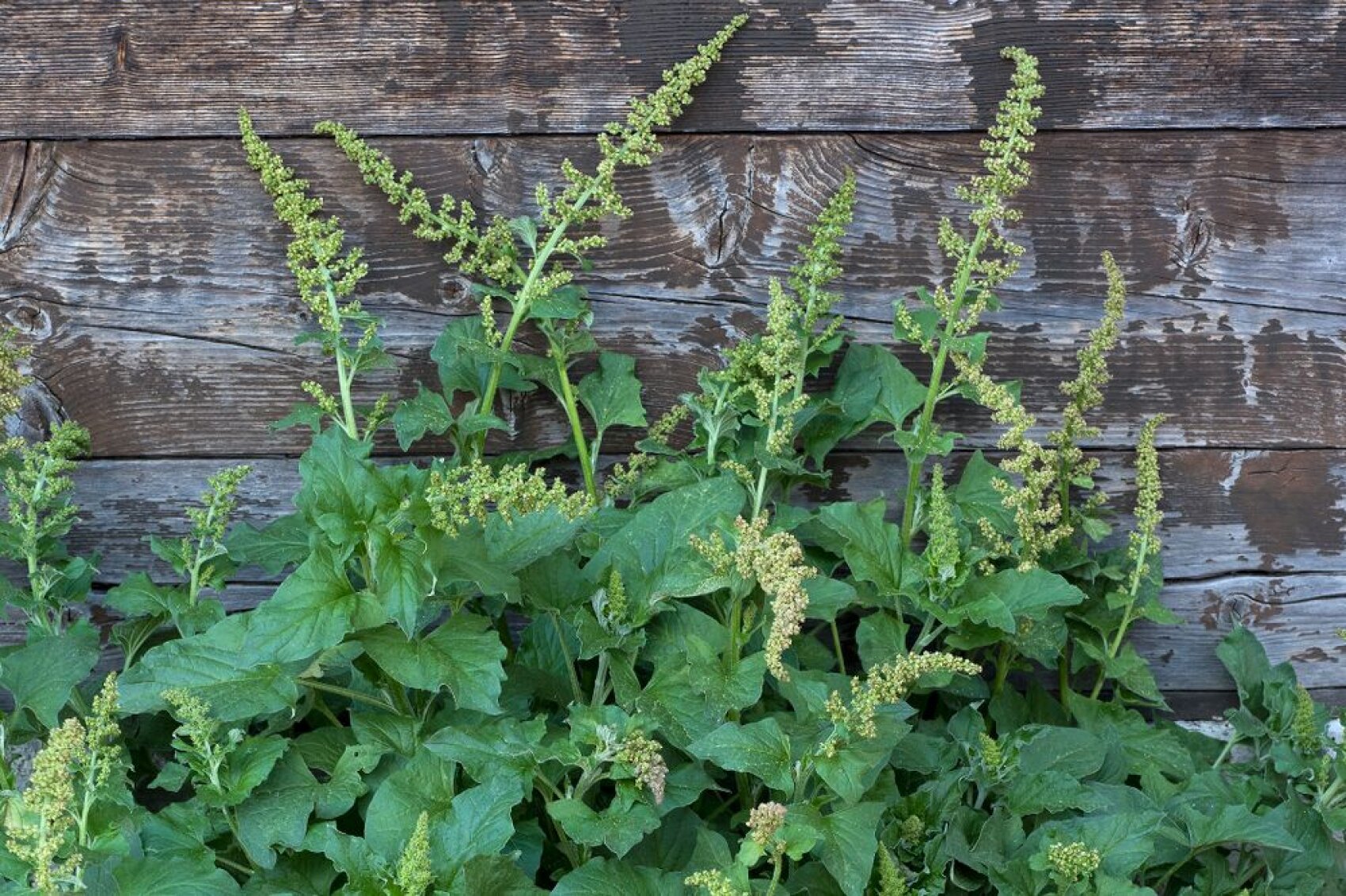
Good King Henry (Chenopodium bonus-henricus) is a native perennial plant that is very loyal to its habitat and related to the well-known Quinoa (Chenopodium quinoa) from the high altitudes of South America. The entire plant can be used. The flowers and seed heads can be sautéed in butter, for example. In the Alps, this perennial plant can be found at altitudes of up to around 1,800 meters.
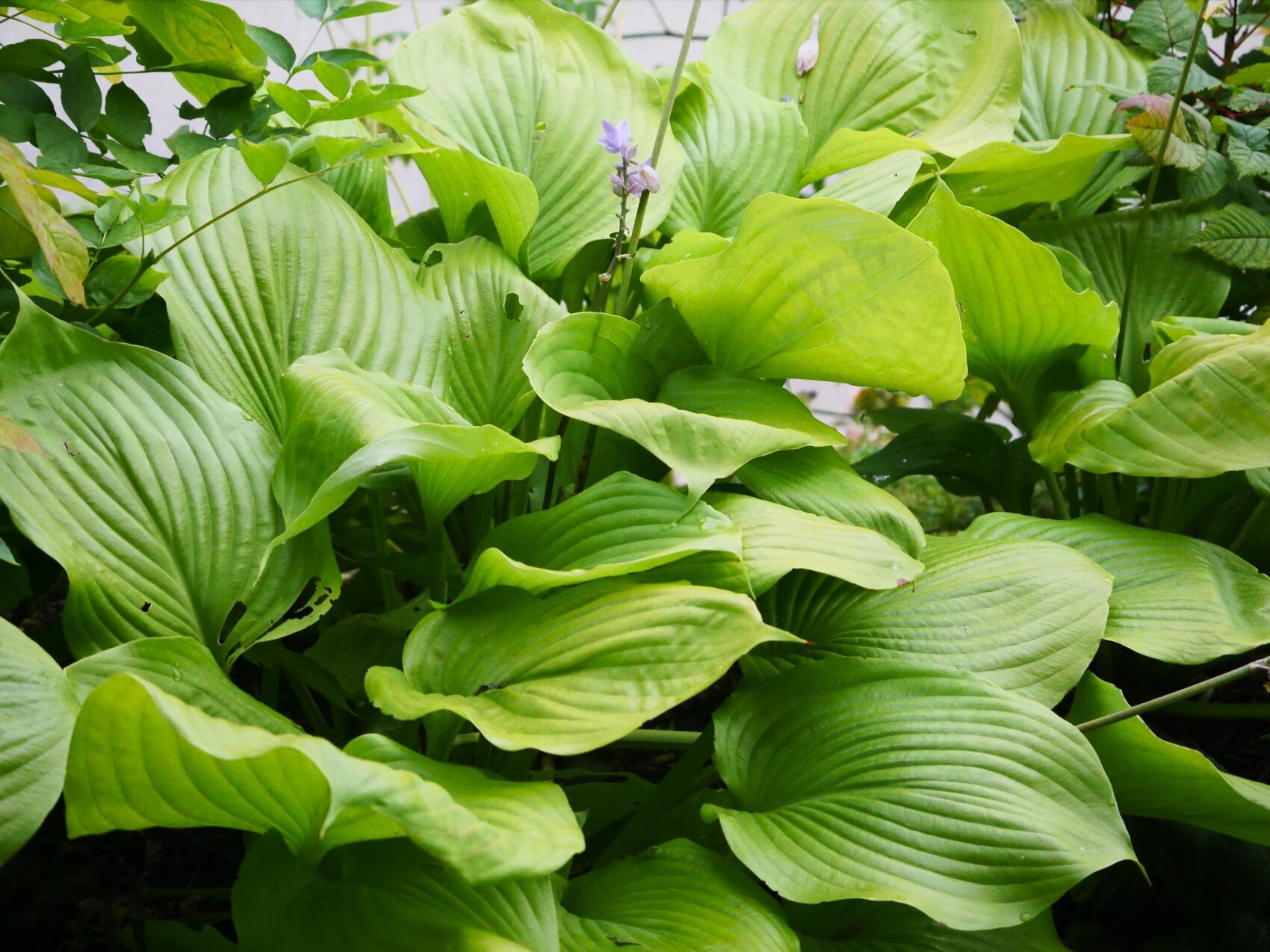
Few people know that most types of Hostas (Hosta spec.) are edible and are even cultivated as vegetables in Asia. Another bonus is that hostas are particularly suitable as ground cover for shady and semi-shady areas. This shows that you don't necessarily need sunny areas to grow vegetables – and that other genera and species are also suitable for shady growing conditions. The variety shown here is the tasty Hosta x cultorum Sum and Substance.
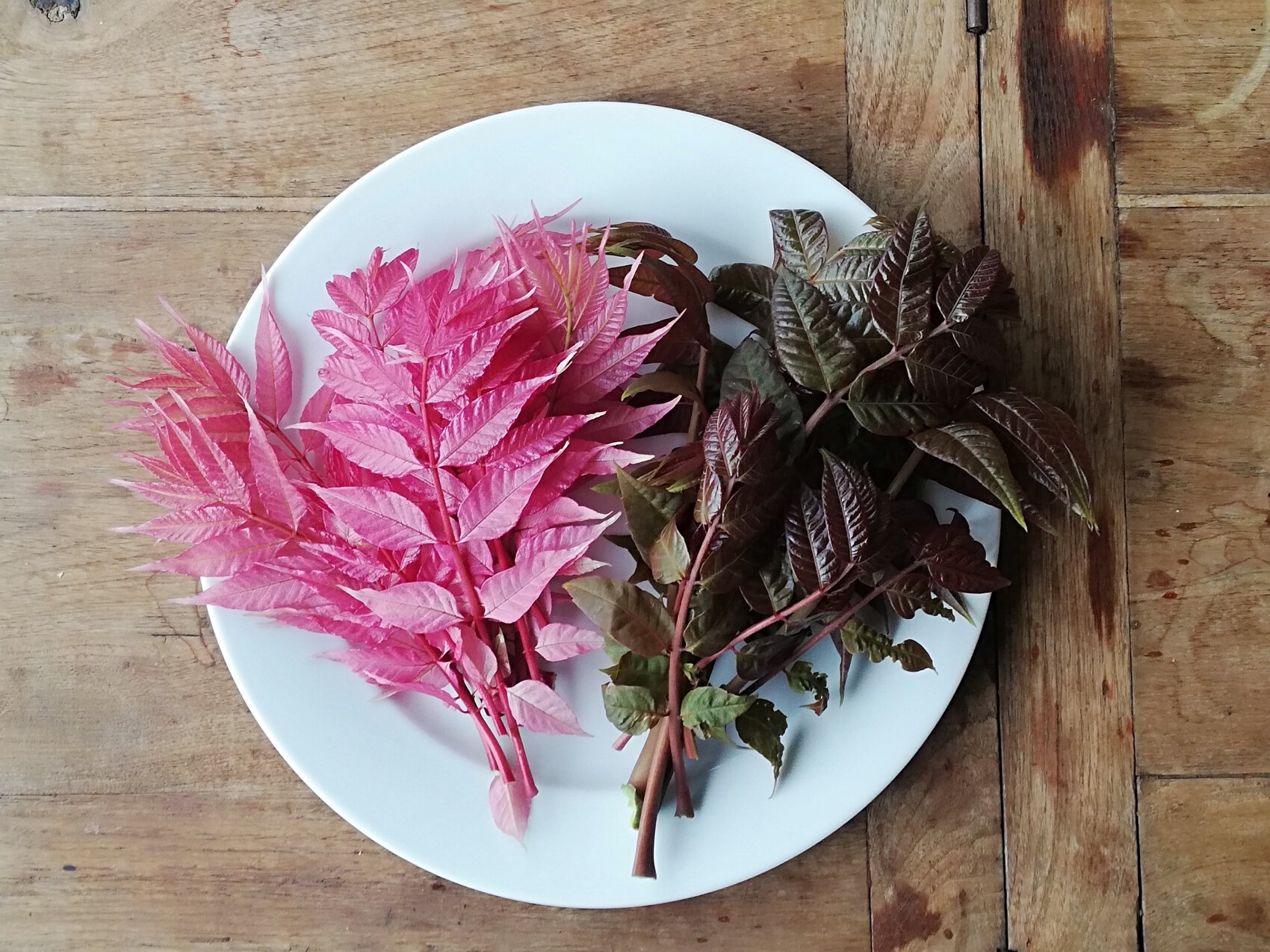
This tree can be found in numerous locations throughout the city of Zurich, estimated to be around fifteen times. The pink cultivar is the Flamingo variety of the Vegetable tree (Toona sinensis Flamingo) on the left and the wild form (Toona sinensis) on the right. The young leaves and shoots are eaten, which have an intense umami flavor—which is why the name “chicken tree” has become established in Switzerland. The edible parts of the plant contain around 9% protein. Culinary, they are a real taste explosion and are now being cultivated in an agroforestry project of mine for top chefs. In addition, the vegetable tree is used in the edible house garden of the “Haus im Garten” not only as an ornamental tree but also as a culinary harvest.
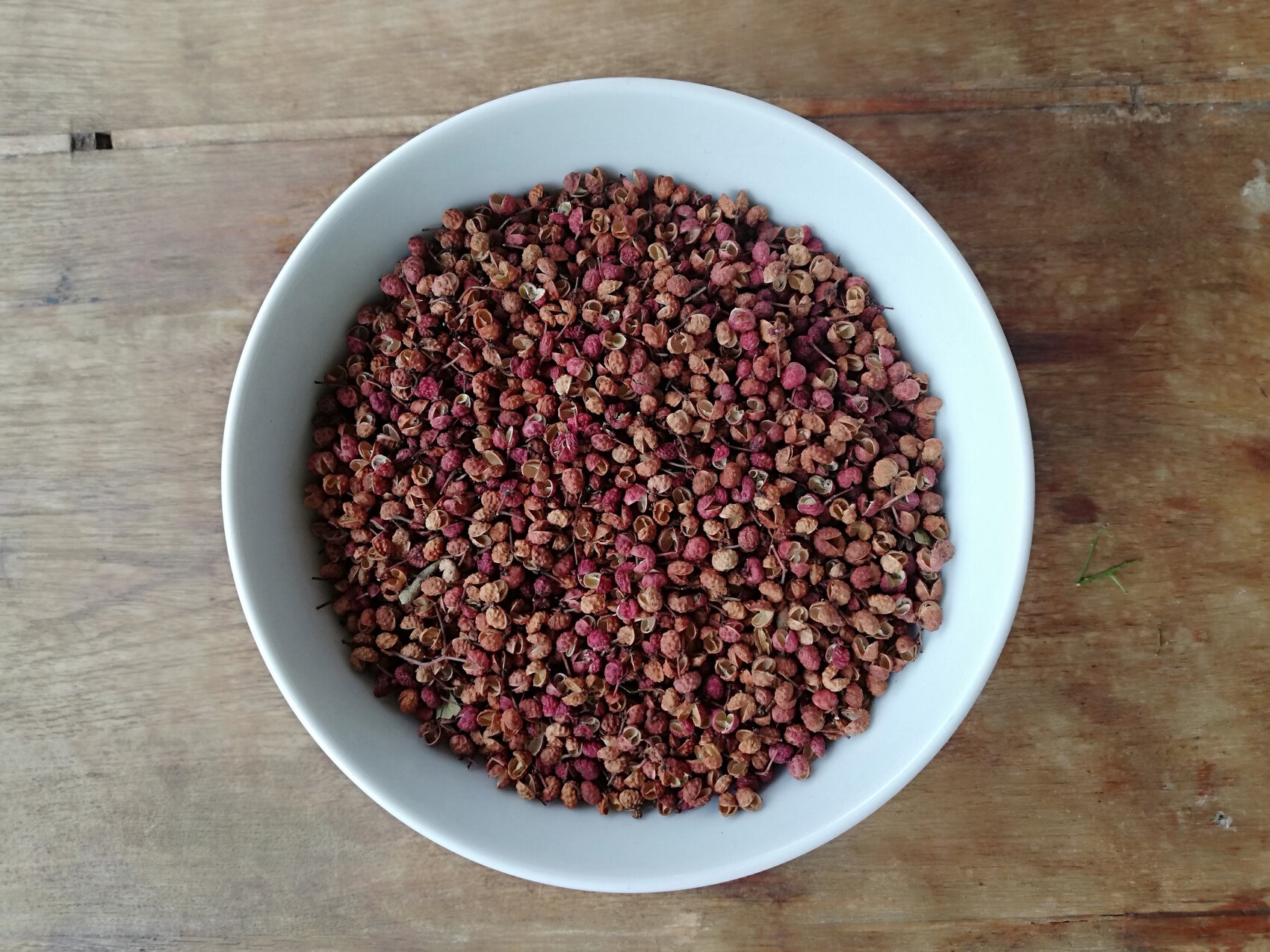
Why do we need to import pepper from far away when we can grow pepper bushes in our own gardens—and cover our entire annual demand with a single bush? We are talking about the frost-hardy and bee-friendly Prickly ash (Zanthoxylum spec.), which belongs to the rue family - and is therefore botanically related to the lemon. Accordingly, it has a delicate lemony aroma. For me, it is the spice and vegetable of the future: not only are the ripe fruit skins and unripe fruits usable, but also the young leaves, which can be used in dishes where a mild spiciness is desired.
6. A gardening culture in transition
The growing interest in healthy, flavorful, and ecologically responsible food is leading to a rethinking of the garden. Edible gardens are not the result of fashionable buzzwords, but of a real need. They combine enjoyment and responsibility, aesthetics and soil fertility, biodiversity and food culture. In doing so, they offer more than a traditional kitchen garden and at the same time open up a cultural dimension that has long been neglected in our gardens.
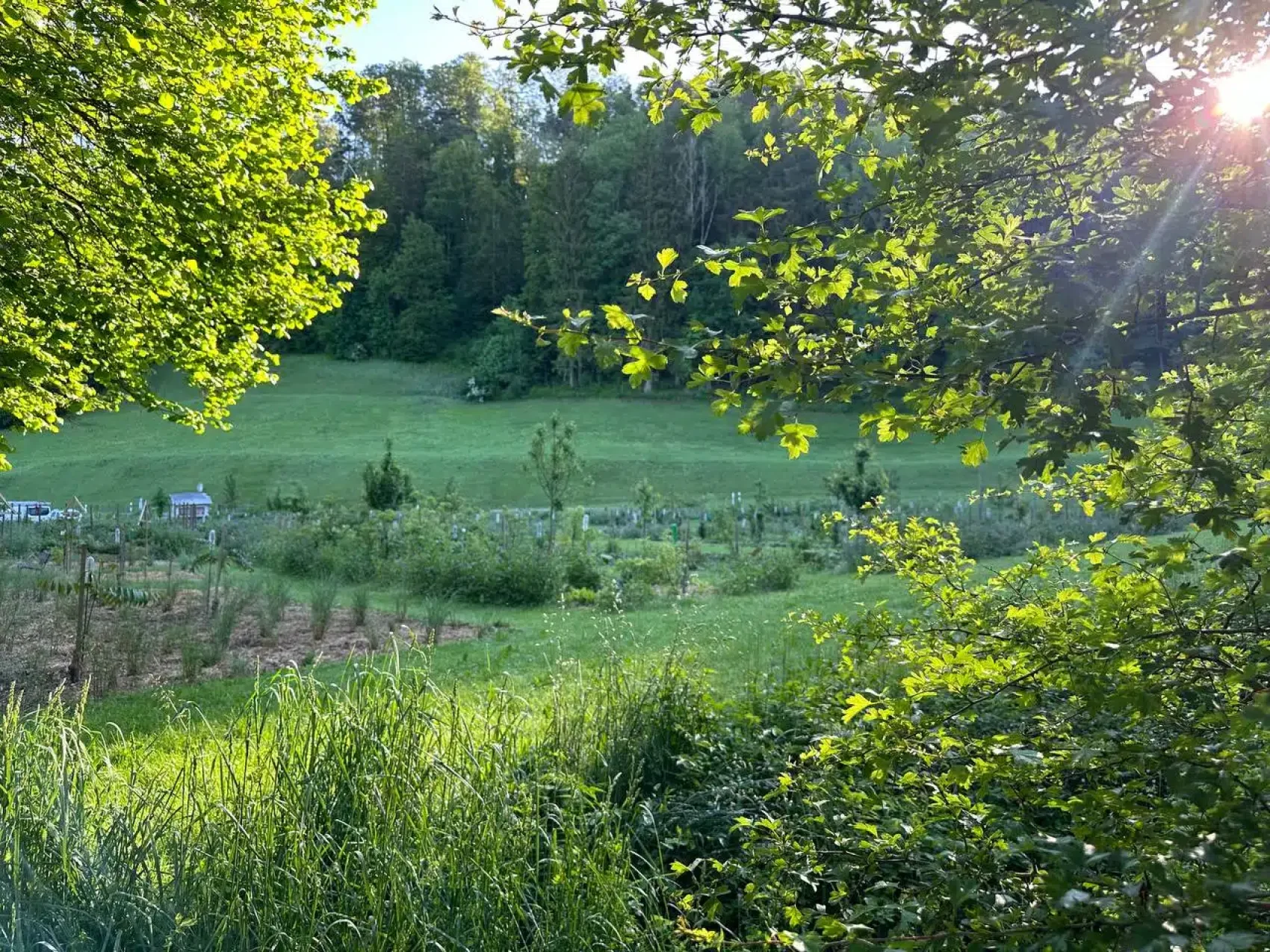
Many garden and open space concepts today are no longer conceived exclusively for private use, but are jointly developed, used, and further developed. An outstanding example in Switzerland is the Waldgarten Camping Saland in the Tösstal valley. Guided tours and hands-on activities take place there every month, during which visitors can get to know the garden and try their hand at gardening themselves. A dedicated group of people maintains the forest garden on site, documents the plants, gathers experience, and continuously expands their knowledge of cultivation and use.
A visit is worthwhile in many ways. On Saturday, May 9, from 10 a.m. to 12 p.m., I will give a tour of the forest garden and explain the planning and development of this facility. To register for this tour, please contact: info@camping-saland.ch
7. Outlook and personal motivation as a closing remark
My passionate work as a landscape architect consists of planning and implementing edible gardens in such a way that they bring joy, function ecologically, and surprise culinarily. I plan gardens and help garden owners, cities and municipalities, restaurateurs, and farmers develop a new relationship with plants and food culture. For me, edible gardens are not just a trend, but a contribution to an expanded garden culture - to gardens that are beautiful, create habitats, and can ultimately be enjoyed in different ways.
On March 11, from 4 to 6 p.m., I will give a lecture on this topic at Giardina. There, I will go into more detail on the aspects mentioned here and present further examples from projects and the plant world. In addition, there will be a small culinary tasting for all attendees. Afterwards, there will be an opportunity to ask questions and delve deeper into individual topics.
Edible gardens are not a fad, but an extension of what a garden can be. They do not make gardens more complicated, but richer – for the eye, for nature, and for the palate.
For those who want to know more about edible gardens. An excerpt from the documentation on the edible garden from “Haus Im Garten” can be downloaded here !
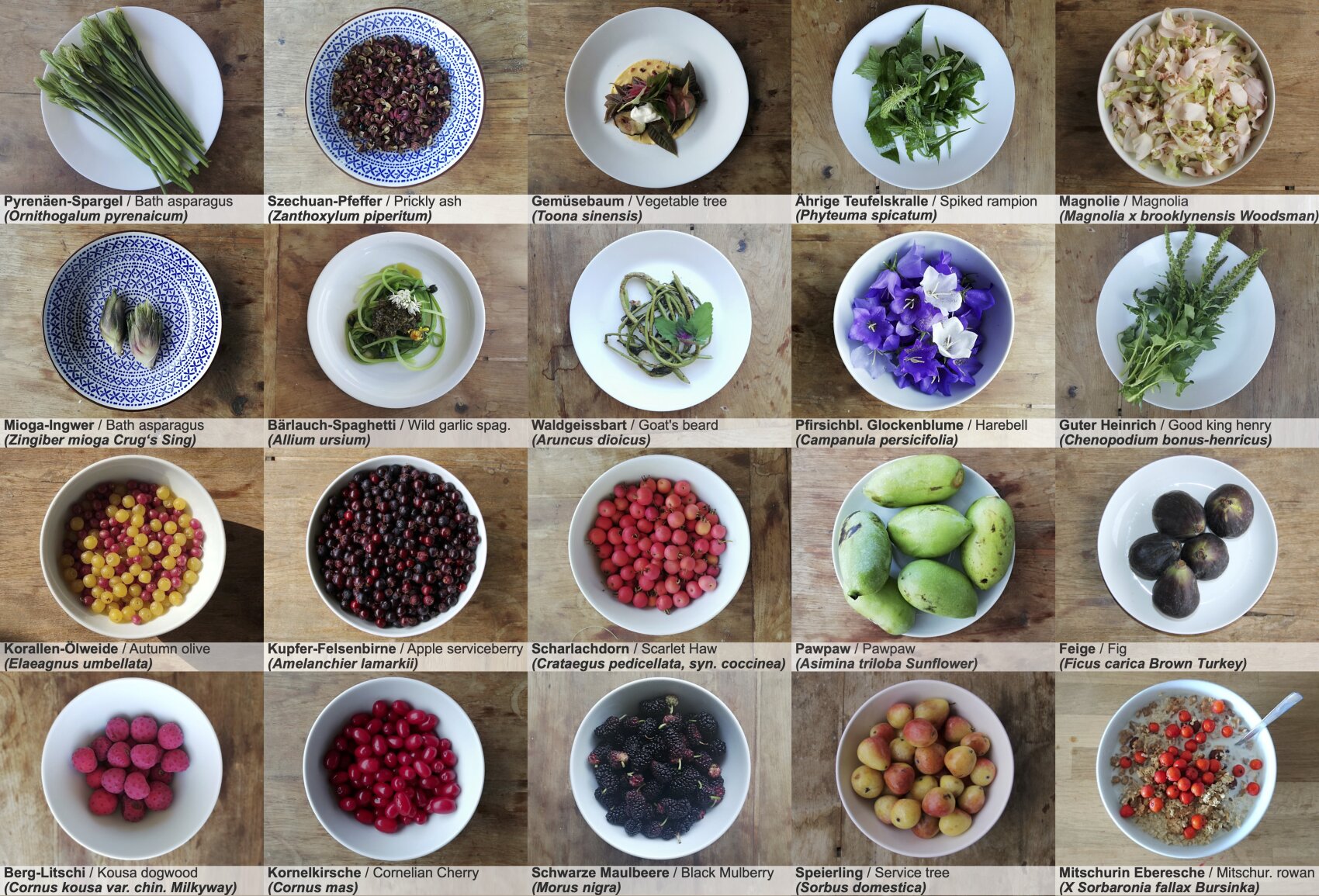
Beauty you can taste
Important note!: When discovering and tasting edible plants, you are entering a field of personal experience and responsibility, just like in the kitchen. People react differently, and not every species is tolerated equally by everyone. The decision to taste or use plants is therefore up to the individual and requires reliable identification. Consumption is always at your own risk.