Resources, Not Rubble: Salvaging Historical Materials for Modern Landscaping
True circular economy starts with deconstruction. We show how historical building materials are salvaged and technically processed to meet modern standards. A case study on resource conservation featuring the City of Rheinfelden.
The Source
Urban Mining in Practice The first step of the circular economy begins not in the warehouse, but at the demolition site. Historical cobblestones, bricks, and clay tiles are not new products; they must be actively "salvaged." This process requires logistical expertise and on-site material knowledge:
-
Selective Deconstruction: Materials must not be mechanically crushed but removed layer by layer to prevent breakage.
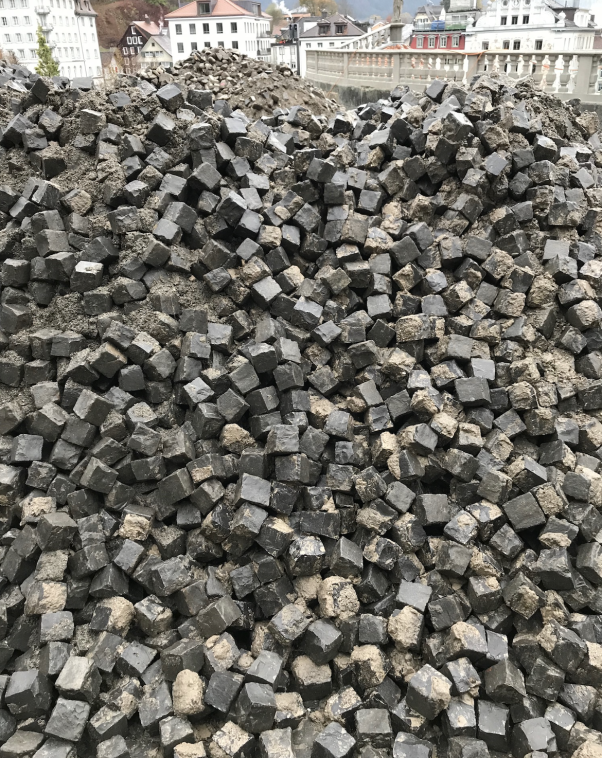
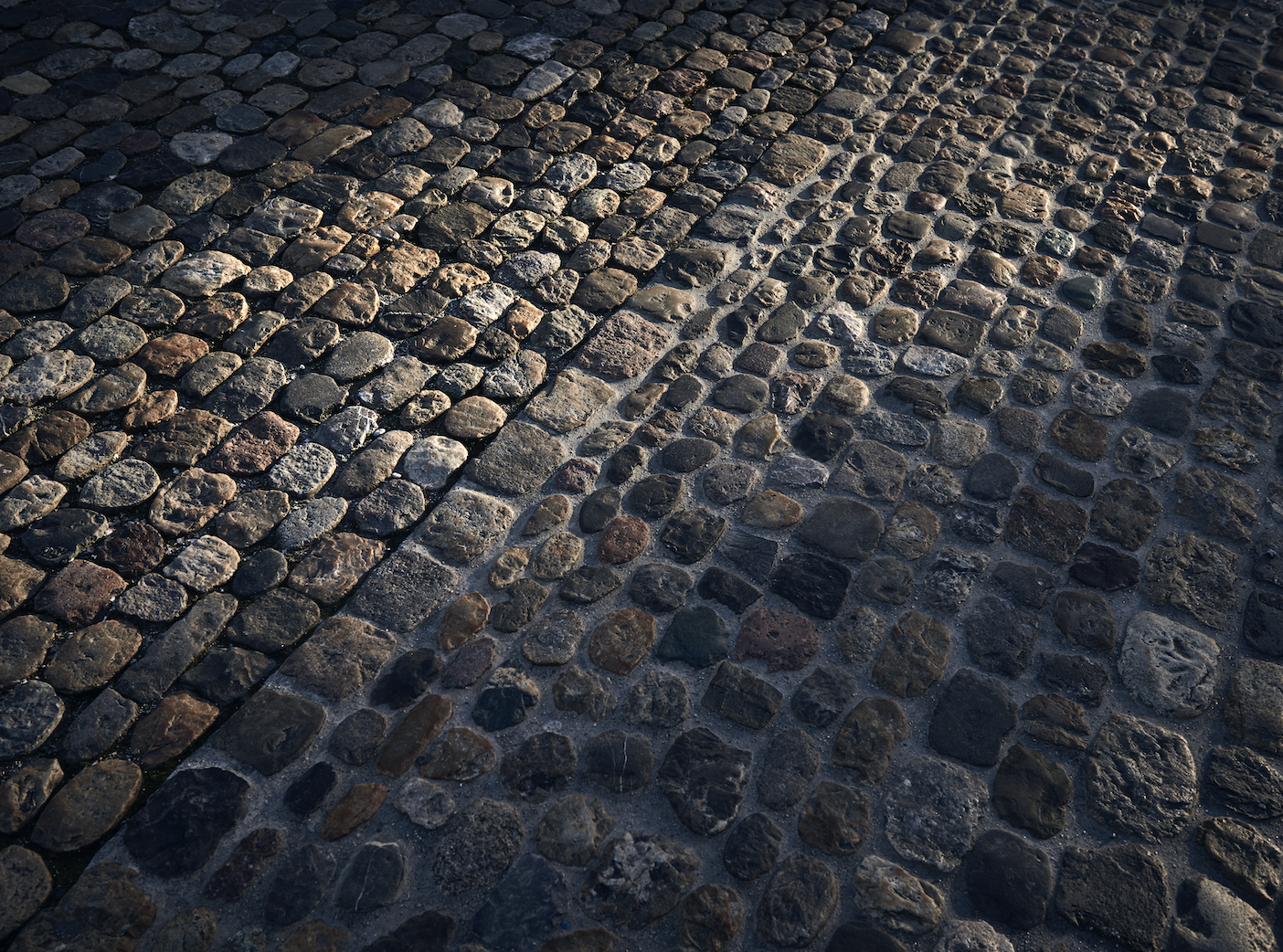
Historical cobblestones immediately after salvage from deconstruction.
The Processing
Craftsmanship Meets Standards The biggest challenge in reuse is compatibility with modern standards. A historical stone has irregular edges and patina, yet it must function within modern paving systems. At Otto Meyer, materials therefore undergo a strict refinement process:
-
Cleaning & Sorting: Removal of mortar residues and bitumen to ensure clean re-jointing.
-
Calibration: Mechanical or manual reworking to ensure the stones are dimensionally consistent. This is the only way they can be installed efficiently and durably in modern paving beds.
-
Quality Control: Sorting out stones with hairline cracks that could cause frost damage.
This is the crucial difference between "used goods" and "reconditioned building materials."
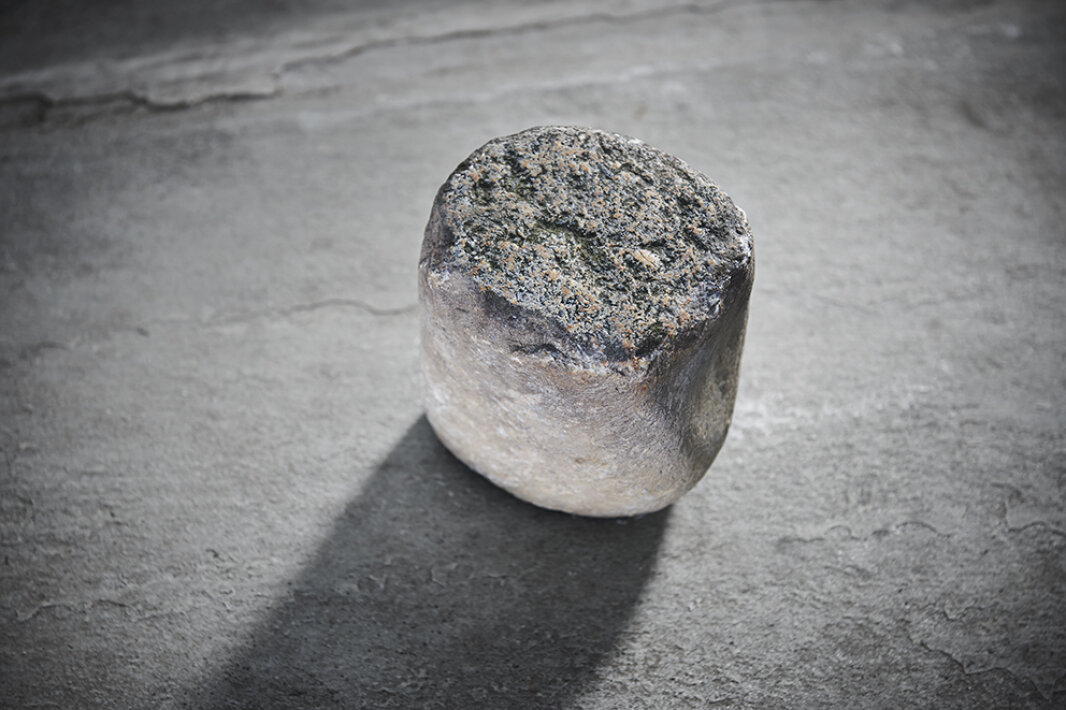
Altes Kopfsteinpflaster – alte Flusswacken
Case Study
Preserving Identity in Rheinfelden The collaboration with the City of Rheinfelden demonstrates how historical substance can be integrated on a large scale. This is not merely about aesthetics, but about preserving the townscape. For the maintenance of historical areas, the city uses reconditioned materials to avoid a patchwork look with new stones.
-
The Advantage: The new surfaces blend seamlessly with the existing fabric.
-
Sustainability: Previously produced stones are reused, eliminating transport routes for new imports from overseas.
The result is a functioning infrastructure that retains its historical character without sacrificing modern resilience.
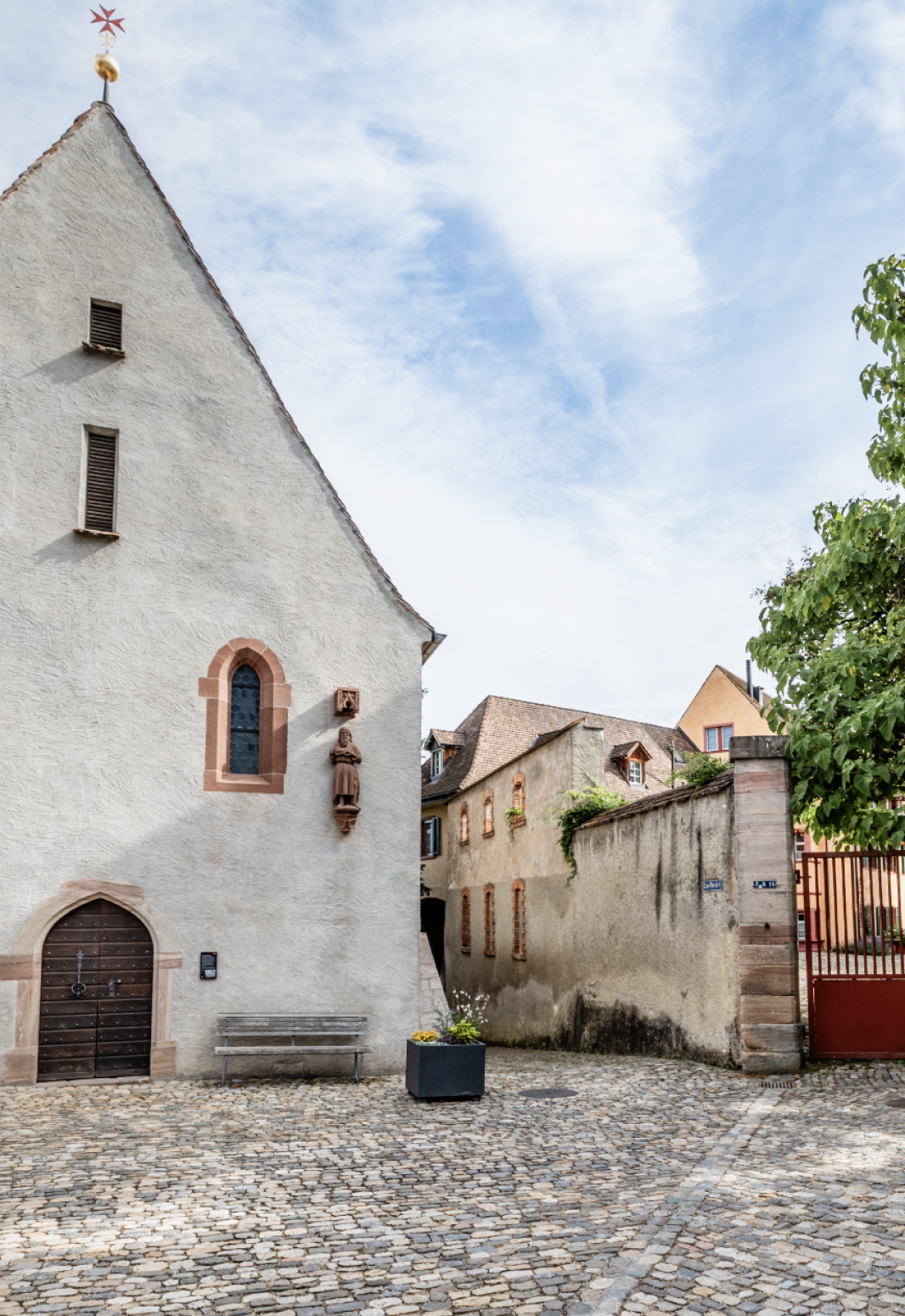
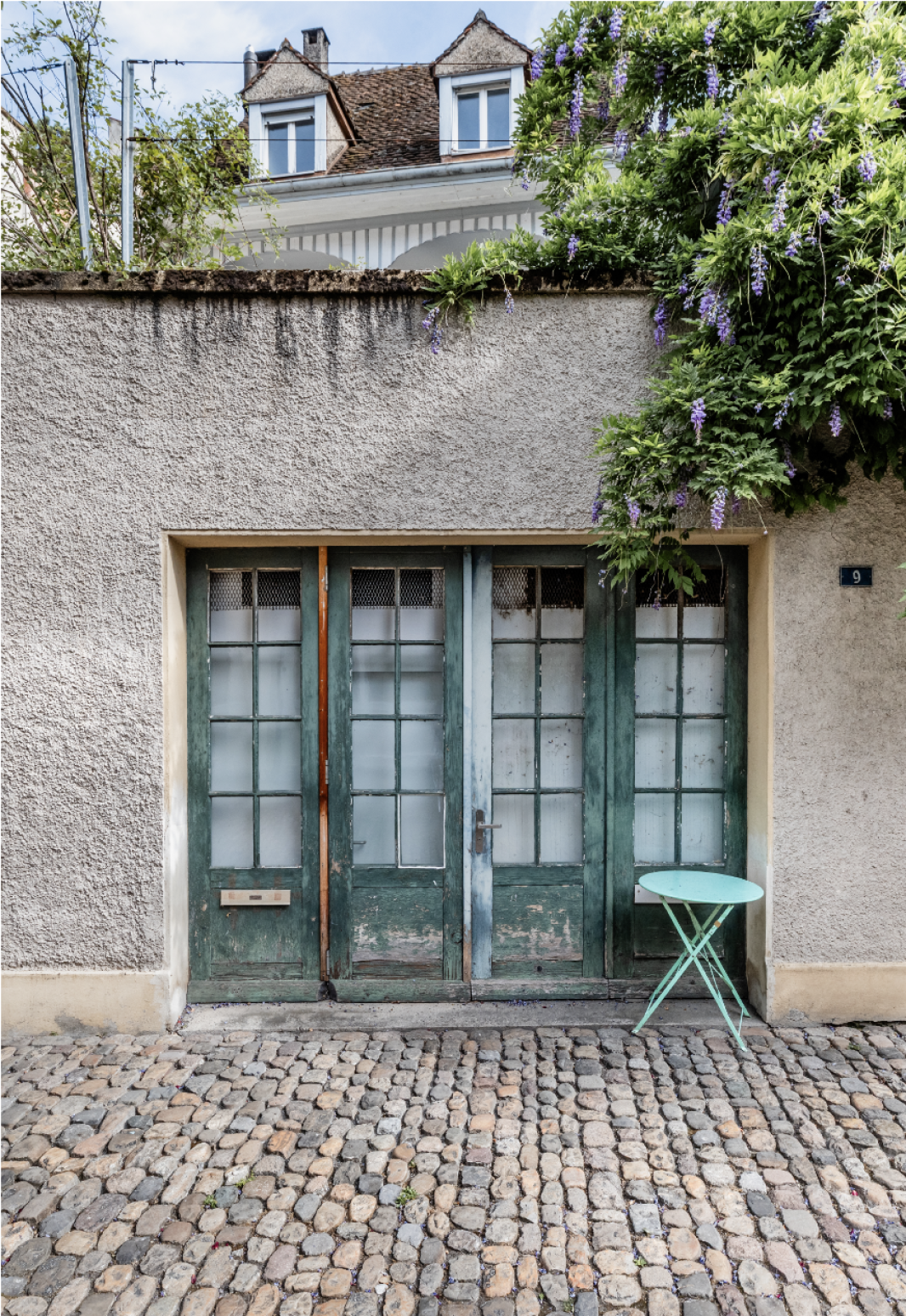
Seamless Integration: Reconditioned materials in use in the City of Rheinfelden.