
Friuli: Gardens are places of opportunity
Gardens possess a natural power to recount history, not literally, but with subtle gestures: traces of war decay become sensual, gardens become places of remembrance, marked by loss, renewal and enduring hope.

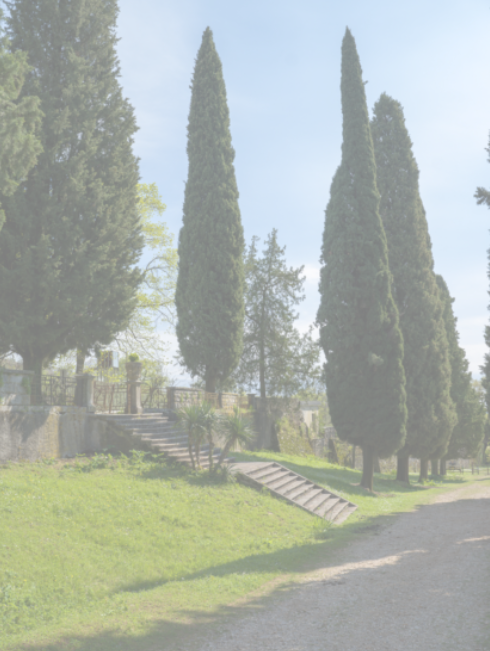

Gardens are places of possibility. They possess a natural power to recount history – not literally, but with subtle gestures. In this way, they transform even the traces of war and destruction into something sensual and create spaces for peaceful remembrance. This is particularly evident in the Giardino Viatori near Gorizia: on a hillside above the city, Professor Luciano Viatori created a terraced garden paradise in the 1970s with hundreds of azaleas, rhododendrons, magnolias and other flowers, transforming a former bomb crater into a pond – a quiet, colourful counterpoint to the region's history.
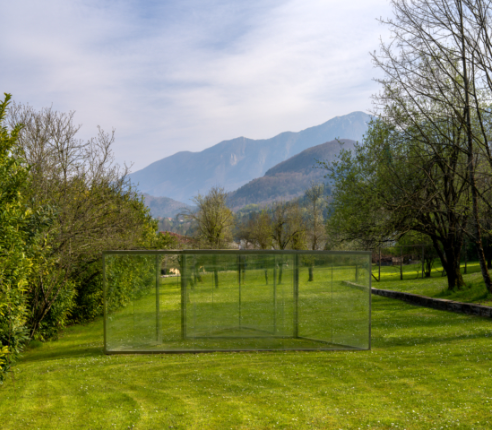
Just a few kilometres away, near Sagrado, the Parco Ungaretti commemorates the horrors and, at the same time, the lyrical power of memory. The park is dedicated to the poet Giuseppe Ungaretti, who fought on the Isonzo front during the First World War and found the inspiration for his famous collection Il porto sepolto there. The site features artistic installations, verses engraved in stone and wood, and paths that transform the landscape into a poetic and historical space.
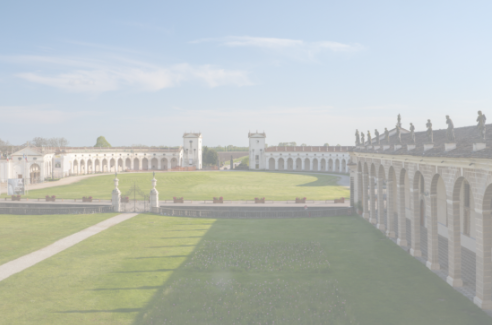
Elsewhere in Friuli, the upheavals of the times are reflected in many ways in the history of the gardens: after the fall of the Republic of Venice and Napoleon's destruction, many artistically designed villa gardens disappeared, and in the following centuries, wars of independence, two world wars and natural disasters such as the earthquake of 1976 shaped the landscape. The fact that gardens nevertheless survived or were newly created is testament to a deeply rooted resilience. In addition to Giardino Viatori, the surviving gardens include historic sites such as the hanging gardens of Castello di Duino on the Gulf of Trieste, as well as modern projects and special gardens, such as rose collections and themed gardens dedicated to the "queen of flowers".
But what all gardens have in common is the quiet presence of their trees – steadfast for centuries, witnesses to the rhythm of the seasons and bearers of an endless story of loss, renewal and the quiet hope that underlies everything. And now we wish you wonderful discoveries.