
Church in the garden: where joy and community grow
Gardens are places of encounter, inspiration, and shared growth. At Giardina, the Catholic and Reformed Churches in the canton of Zurich demonstrate how church life thrives in green surroundings, where spirituality and community can be experienced among cucumbers, beans, and flowers.
-
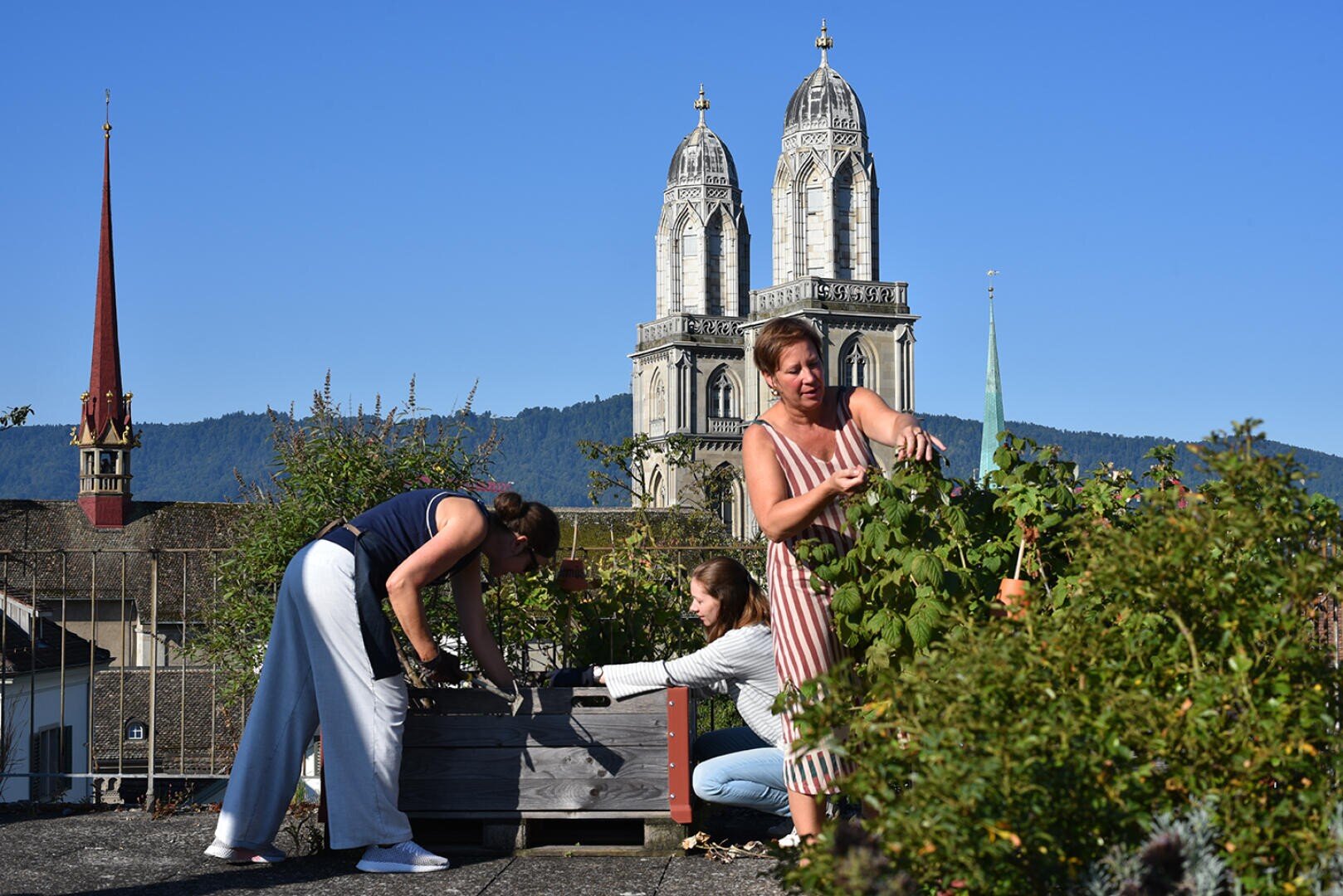
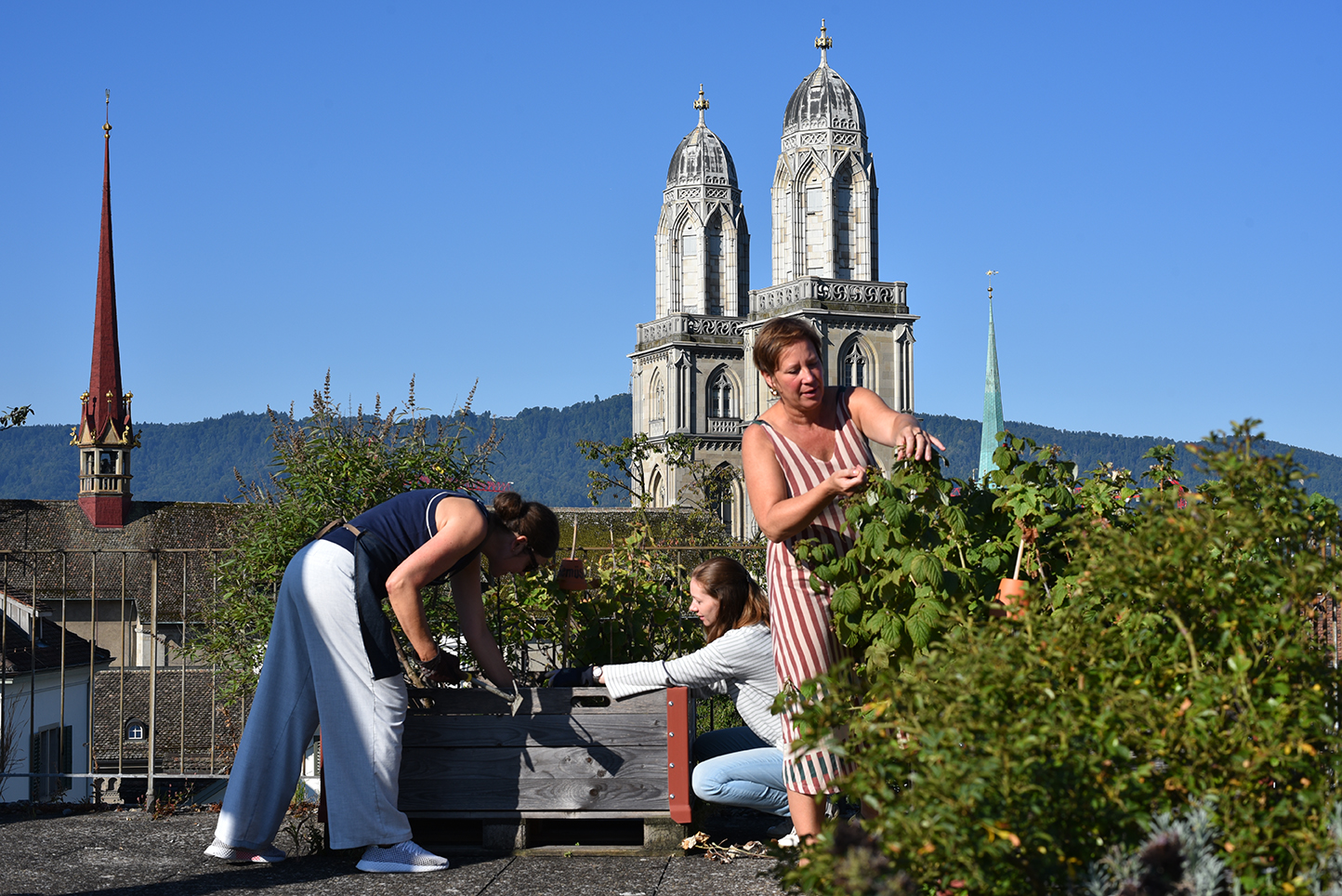
The roof terrace of the Reformed Church in Zurich is a green oasis in the middle of the urban area. -
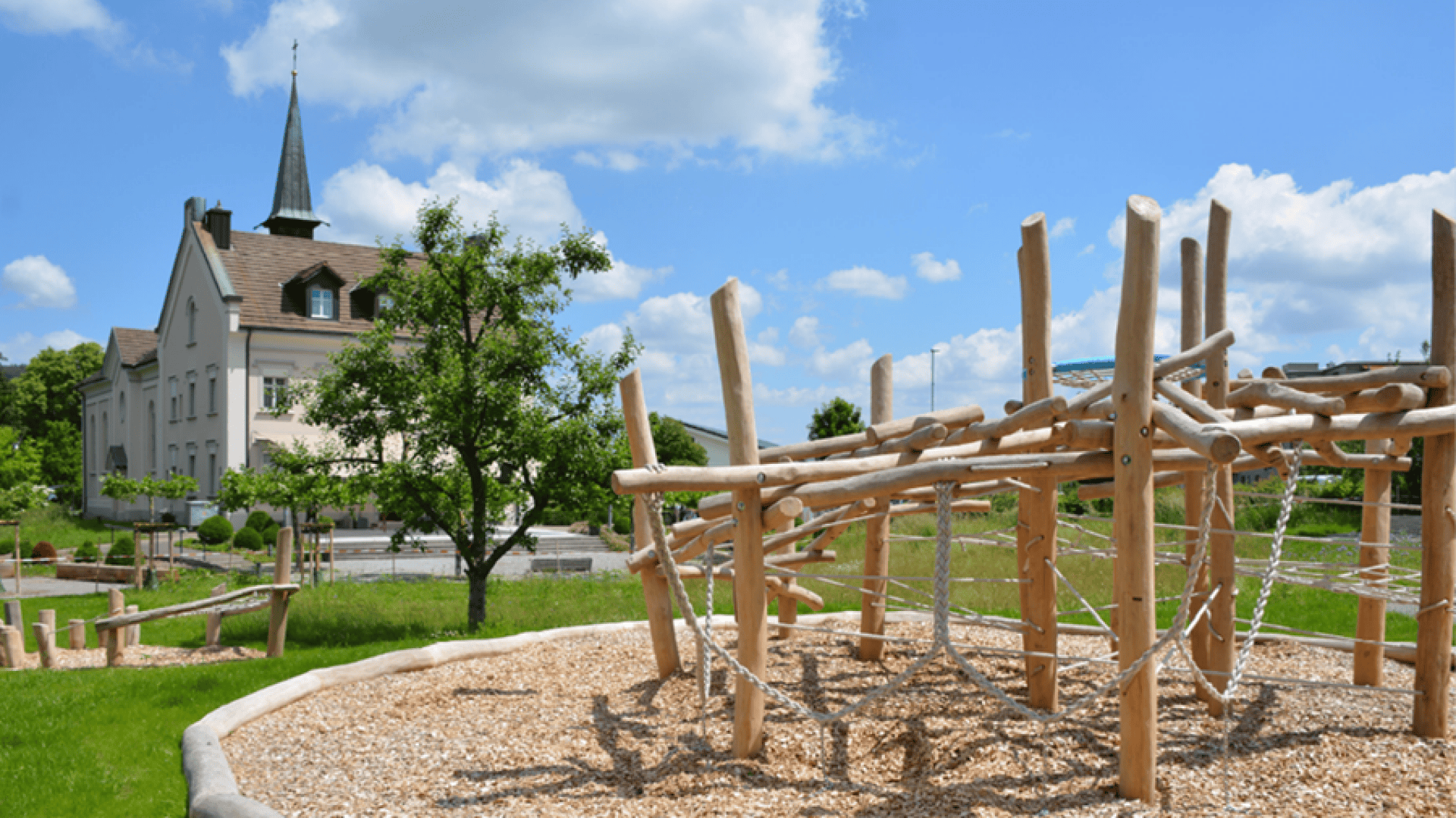
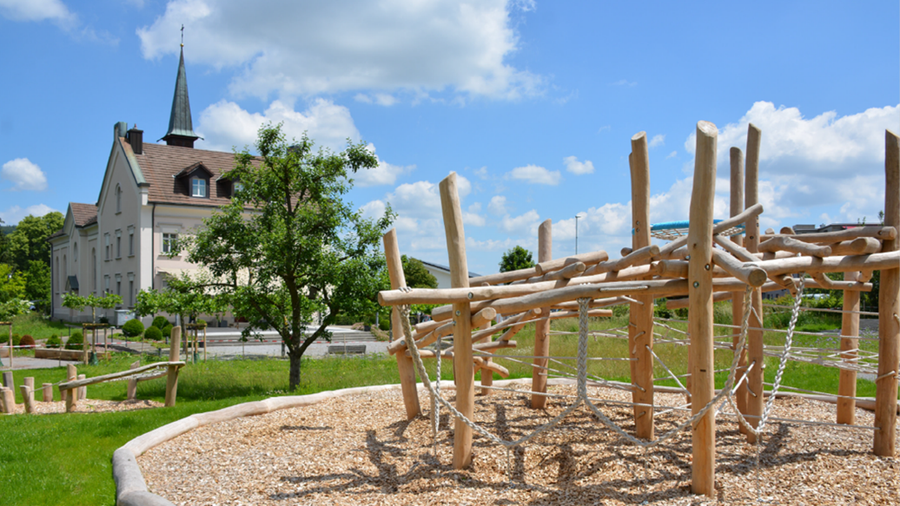
Play areas and biodiversity areas complement each other on the grounds of the Catholic parish of St. Pirminius in Pfungen. -
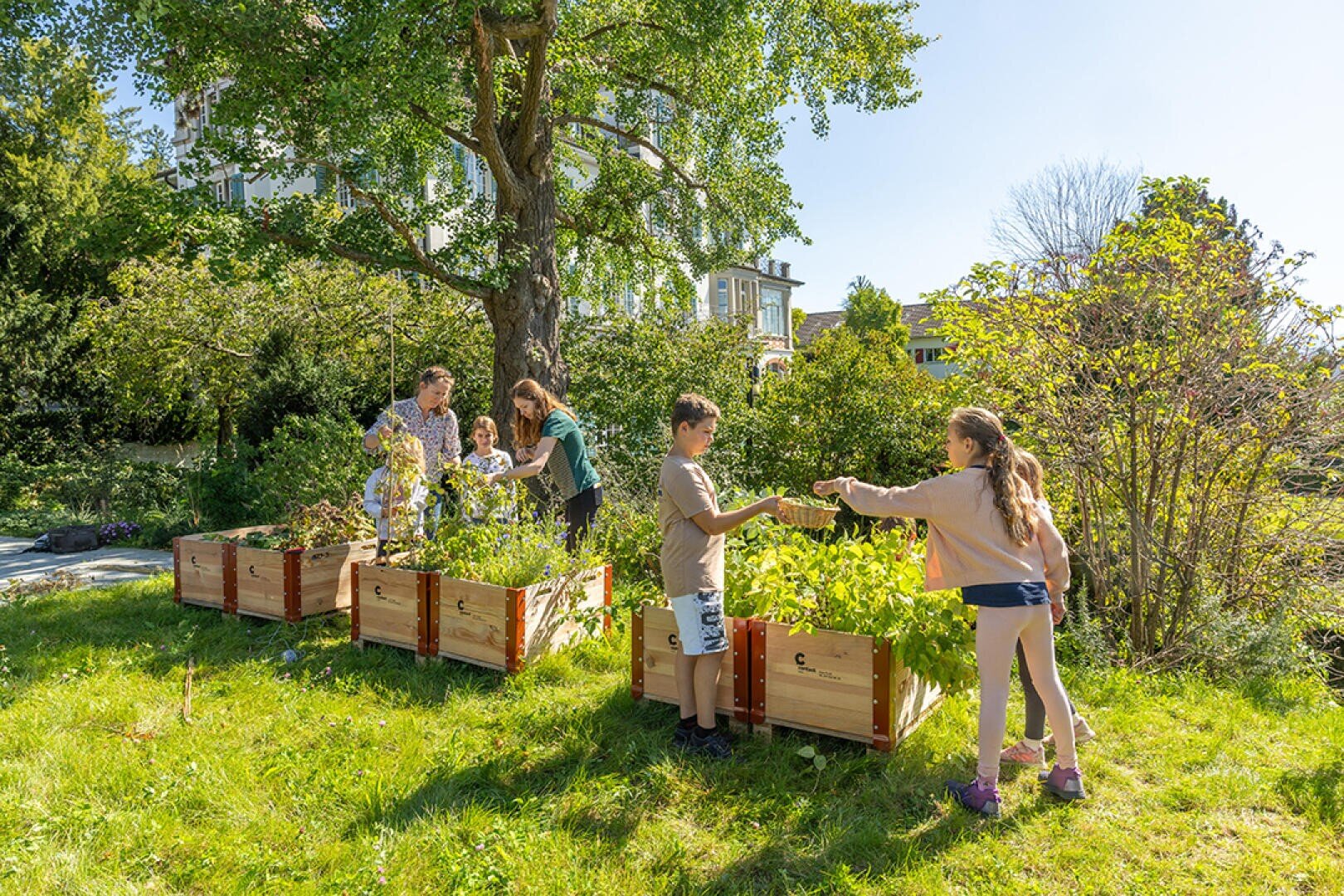
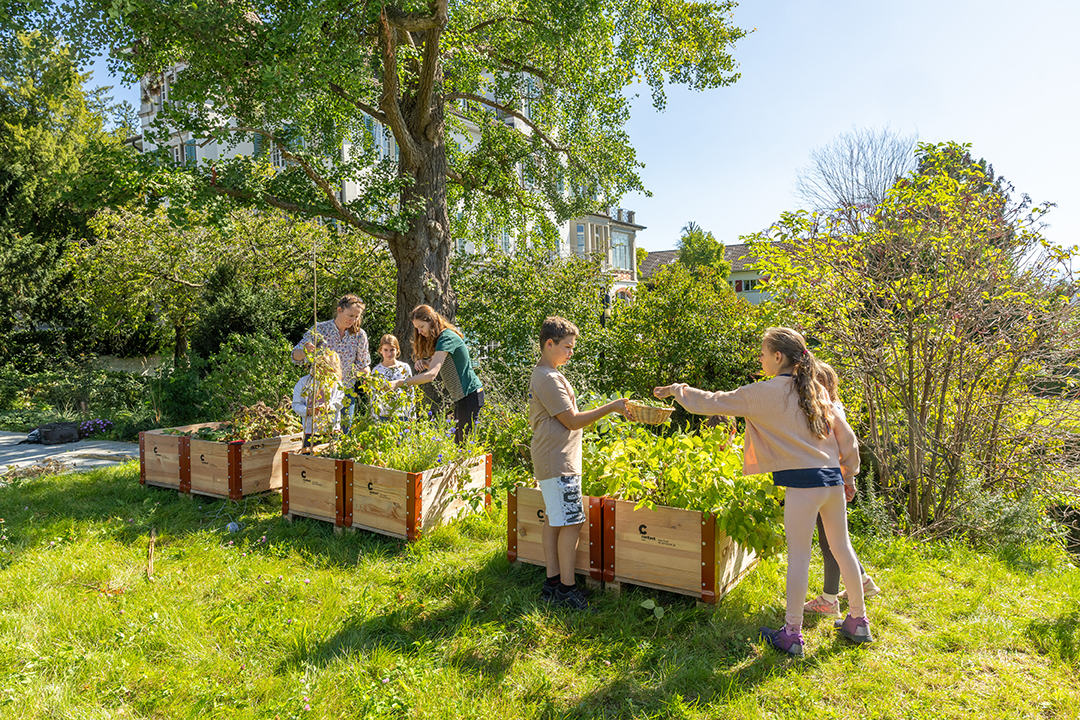
Sustainable gardening together with the youngest members of the Reformed Church in Erlenbach. -
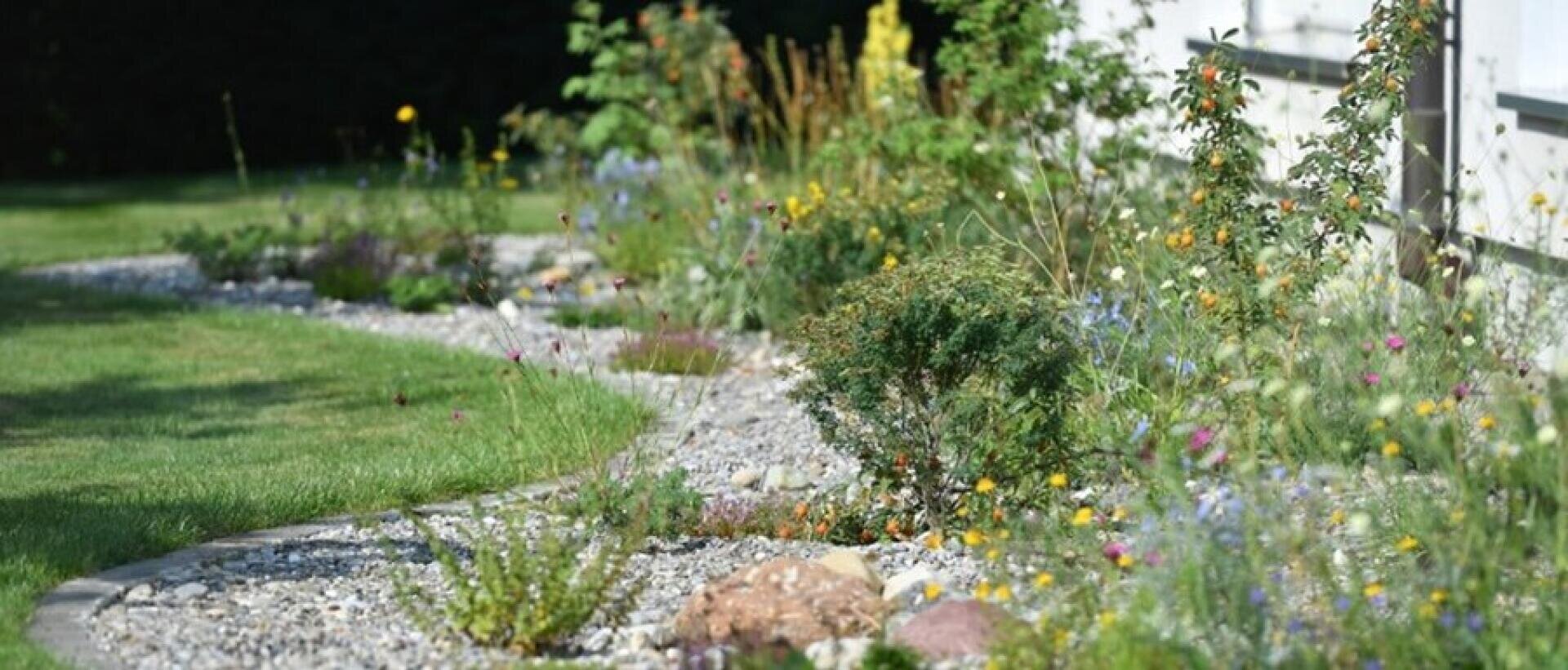
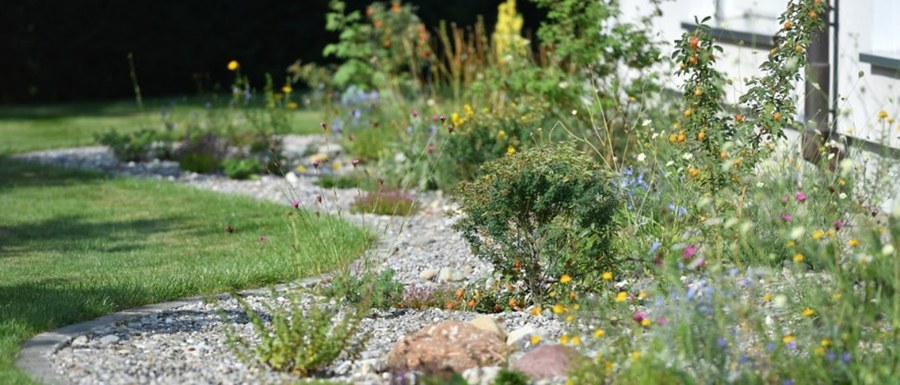
Behind the Catholic rectory in Dübendorf, a dry location is becoming a biodiversity hotspot.
Church communities in the canton of Zurich are actively committed to creating natural and sustainable outdoor spaces. Many are designing their green spaces to be ecologically valuable and deliberately opening them up as places for people to meet. Church gardening projects bring together people of different generations and backgrounds. In addition to biodiversity, gardening together also promotes social interaction.
Get involved, feel good, belong
In addition to species-rich planting areas, many church gardens offer space to linger, play, and recharge your batteries.
The Catholic parish of St. Pirminius in Pfungen has implemented a comprehensive design concept – including a climbing playground.
For ten years, the Reformed Church in Kloten has been maintaining the «Freiraum Familie» (Family Open Space), with a playground, yurt, and intergenerational garden. The result is an open, welcoming garden community – a place with space to grow, good coffee, and an invitation to actively and creatively help shape the open space.
Discover the diversity of church gardens
Church gardens invite visitors to experience community and discover space for spirituality. This includes the public monastery gardens in the canton of Zurich. Places to pause, be inspired, or simply treat yourself to some time out.
Even in urban areas, there are surprising green oases: from the roof garden of the Reformed Church in the canton of Zurich to the garden of the Catholic University Community, the aki, below the Polyterrasse.
Connecting heaven and earth
Church garden projects have the power to connect heaven and earth – and the people in between. At Giardina, the Reformed and Catholic churches in the canton of Zurich are making this work visible. They invite visitors and gardening experts to engage in conversation and discover new perspectives on churches in green spaces.