
Mosses as the foundation of biodiversity
Mosses account for an estimated five per cent of all plant species worldwide. Nevertheless, they are rarely mentioned when discussing biodiverse gardening. Yet they are water reservoirs, soil protectors and habitats all at once. And often the first building block of functioning ecosystems.
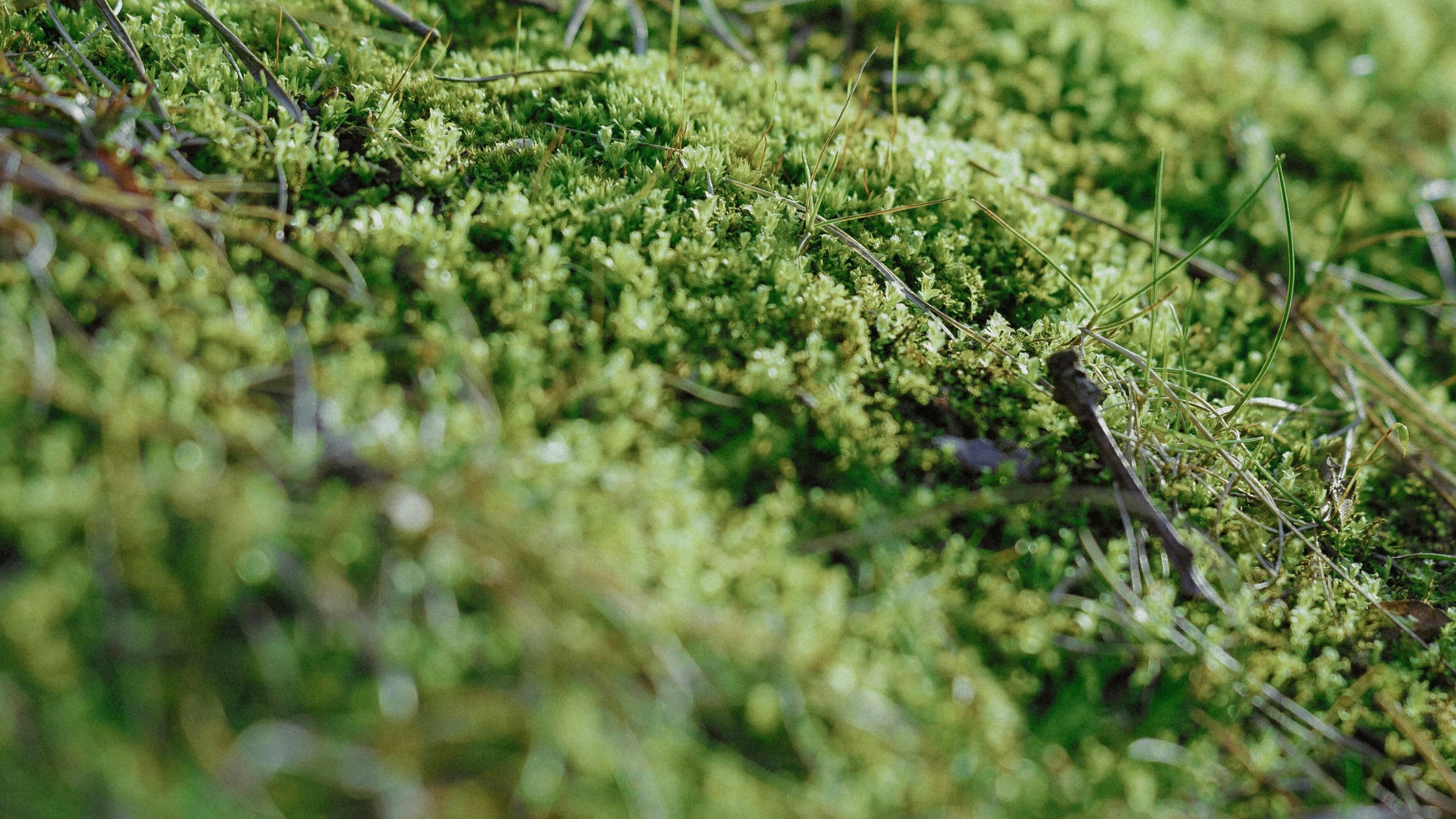
A tribute to moss
In a world that often loudly celebrates biodiversity, a quiet form of diversity lies right at our feet: moss. No flowers, no spectacle – and that's exactly why it's so fascinating. If you look closely, you'll discover a micro-universe: finely interlocking structures, velvety cushions, transitions like miniature landscapes.
Pioneer and nature technician
Mosses grow where others have long since given up: on stone, wood, roofs, in the shade, in barren transitions. They can absorb water and nutrients across their entire surface and are amazingly resistant to drought. Researchers even report mosses that were able to regenerate completely after a very long time in a dry state by moistening them.
Three superpowers that we often overlook
- Water storage: Moss cushions retain moisture like a sponge, thereby influencing the water balance on a small scale and in the ecosystem.
- Soil protection & pioneering work: As pioneer plants, mosses help to stabilise areas and protect the soil from erosion.
- Habitat: Their dense ‘moss forests’ provide space for microorganisms and micro-organisms. Biodiversity often begins in the millimetre range.
And another thing: mosses are not only silent, they are also vulnerable. In Europe, a significant proportion of moss species are considered endangered or potentially endangered.
Why moss moves us so much today
Perhaps because it reminds us of something that has become rare in everyday life: the essentials. Those who embrace this experience the garden not as a stage, but as a state of being. Peace. Concentration. Awareness.
Moss only reveals its effect when viewed up close.
At our stand, you can see what is otherwise hidden: the finest structures, surprising diversity and the quiet power of an underestimated type of plant. If you want to understand the role mosses play in biodiversity, stop by our stand and consciously perceive moss in all its diversity and function. We are happy to share this fascination in personal conversations and provide in-depth insights.